Crawl Space Insulation Cost in 2026: What You Should Really Pay
Get three quotes to insulate the crawl space under an average home and you might see $1,800 from one contractor, $4,500 from the next, and a $12,000 number from the company that wants to spray foam everything and add a dehumidifier. That spread is normal, and it is confusing. The honest truth is that "crawl space insulation" covers several very different jobs, and the right one for your house depends on whether your crawl space is vented or sealed, how wet it is, and which material the contractor uses. This guide breaks down what crawl space insulation actually costs in 2026, by material and by size, and how to tell a fair quote from a padded one.
Crawl space insulation cost by type
The material is the biggest swing factor after size. Cheaper materials cost less up front but can fail fast in a damp crawl space. These are typical installed ranges, including labor, that showed up across 2026 cost data:
| Insulation type | Typical cost (installed, per sq ft) | Best for |
|---|---|---|
| Fiberglass batts | $0.55 to $2.00 | Dry, vented crawl spaces (budget option) |
| Rigid foam board | $0.50 to $2.50 | Crawl space walls, moisture-prone spaces |
| Closed-cell spray foam | $3.00 to $8.00 | Walls and rim joists, air sealing, wet climates |
| Mineral wool batts | $1.00 to $3.00 | Dry spaces where fire or pest resistance matters |
A quick note on material choice: most crawl space pros and building scientists now steer homeowners away from fiberglass batts in damp or dirt-floor crawl spaces. Fiberglass absorbs moisture, sags off the joists, and can grow mold or attract pests over time. Rigid foam board and closed-cell spray foam resist water and hold up far longer in the conditions a crawl space actually sees, which is why they cost more.
Crawl space insulation cost by size
Insulation is priced largely by the square footage you cover, so the footprint of your crawl space sets the baseline. These are typical total installed ranges, assuming a mid-grade material like rigid foam board or a quality batt job:
| Crawl space size | Typical total cost |
|---|---|
| Up to 1,000 sq ft | $1,500 to $4,500 |
| 1,500 sq ft | $2,500 to $6,500 |
| 2,000 sq ft | $3,500 to $9,000 |
| 2,500 sq ft and up | $5,000 to $12,000 |
Go with closed-cell spray foam and the numbers move toward the high end of each row, since spray foam alone can run $3 to $8 per square foot installed. A bare-bones batt job in an easy, dry crawl space can land below the ranges shown.
What drives the price up
Two crawl spaces of the same size can be quoted thousands apart. Here is what moves the number:
- Material. The jump from fiberglass batts to closed-cell spray foam can quadruple the per-square-foot cost. It is usually the single largest line item after labor.
- Walls versus the floor above. Insulating the floor joists over a vented crawl space covers more surface area than lining the perimeter walls, so it often costs more. For a 1,000 square foot space, wall insulation might run a few hundred to around $1,900, while subfloor insulation can run $1,000 to $4,500.
- Access and clearance. A tight, low crawl space is slow and miserable to work in, and that labor time shows up in the price.
- Prep work. Old sagging insulation that has to be torn out, a wet dirt floor that needs a vapor barrier first, or mold that must be treated all add cost before any new insulation goes in.
- Air sealing and rim joists. Sealing vents, penetrations, and the rim joist is often bundled in, especially for a sealed-crawl-space approach, and it adds material and time.
Floor or walls: which is better for a sealed crawl space?
This is the question that decides which job you are actually paying for. There are two valid approaches, and modern building code reflects both:
- Vented crawl space: insulate the floor above it (between the joists). The crawl space stays open to outside air, and the insulated floor keeps that air from chilling your rooms.
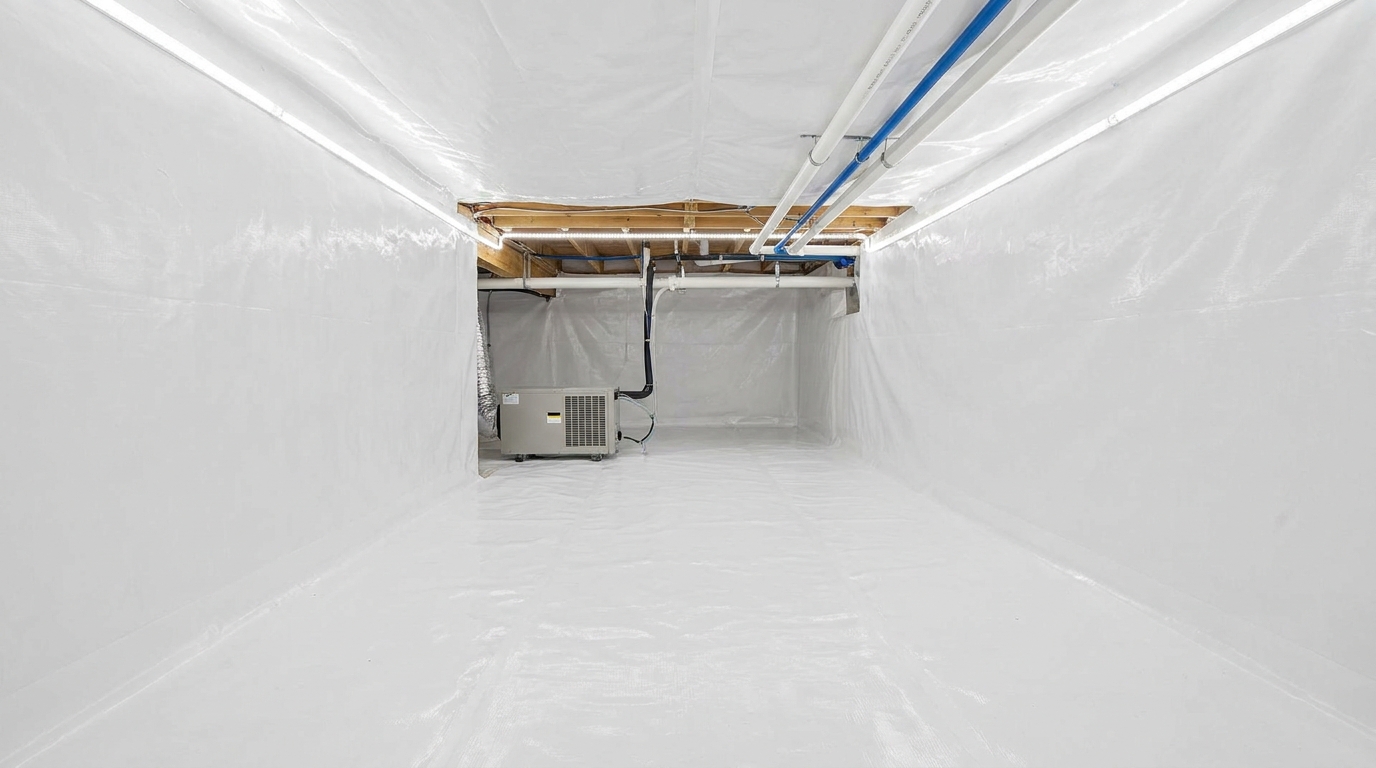
- Sealed (unvented, encapsulated) crawl space: insulate the walls around the perimeter. The vents get closed, a vapor barrier covers the ground, and the whole space is brought inside the home's thermal envelope.
For a sealed crawl space, the consensus among building scientists and energy programs is clear: insulate the walls, not the floor joists. Wall insulation uses less material, keeps your ducts and pipes inside the conditioned zone so they are less likely to freeze or sweat, and generally does a better job controlling moisture and comfort. In most climates, a sealed crawl space with insulated walls outperforms a vented crawl space with insulated floors. If a contractor is encapsulating your crawl space but quoting you to insulate the floor joists above it, ask why, because that is usually the wrong pairing.
How much insulation do you actually need (R-value)?
R-value measures resistance to heat flow, and the target depends on your climate zone and which surface you are insulating. As a general guide drawn from the IRC energy code:
- Vented crawl space, floor above: roughly R-19 to R-38, with R-19 often treated as the practical minimum in milder zones and higher values in cold climates.
- Sealed crawl space, perimeter walls: roughly R-5 to R-15, with many codes calling for around R-10 of continuous insulation on the walls.
The wall numbers look lower because the geometry is different: the ground and foundation already buffer the space, so you need less R-value to condition it than you would to insulate an exposed floor. Your local code and climate zone are the final word here, so confirm the target with your contractor or building department rather than guessing.
Signs your crawl space needs insulation
You usually feel and smell the problem before you see it. Common signs include:
- Cold floors in winter. If the rooms over the crawl space have floors that are uncomfortable in socks while the rest of the house feels fine, the floor system is losing heat downward.
- High energy bills with poor comfort. Paying more to heat and cool while still chasing comfort often points to an uninsulated or failing crawl space.
- A musty smell, especially when the HVAC runs. Damp crawl space air gets pulled up into the living space, and the odor rides along with it.
- Sagging, wet, or moldy insulation. Fiberglass drooping off the joists or showing dark spots means it has absorbed moisture and is no longer doing its job.
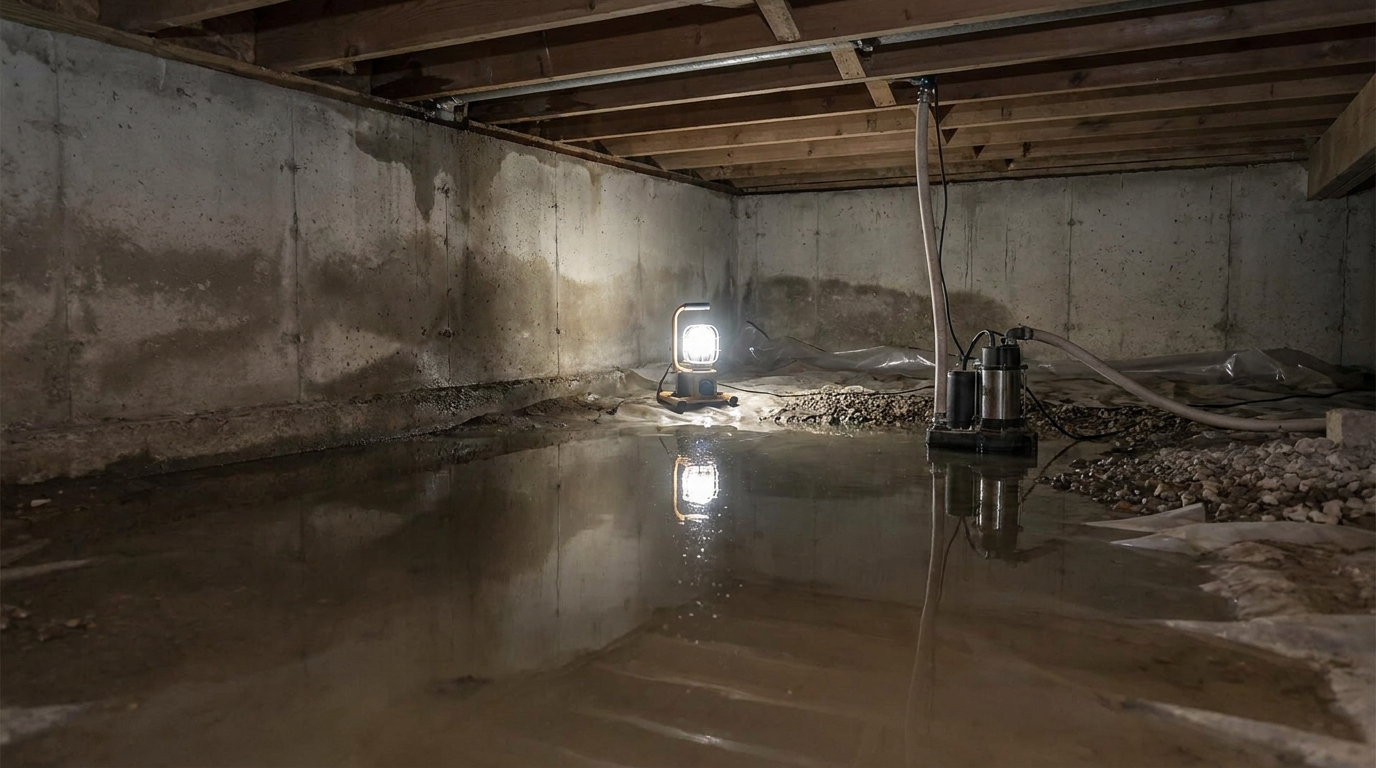
- Visible moisture, condensation, or pests. These signal that you may need moisture control (vapor barrier, drainage) before or alongside insulation.
DIY versus hiring a pro
Some of this work is genuinely DIY-friendly, and some of it is not. Laying a floor vapor barrier, sealing a few vents, and installing rigid foam board on accessible walls are reasonable weekend projects if you are comfortable working in tight spaces and careful with seams and penetrations. The materials are not exotic, and a patient homeowner can do a clean job.
Where it tips toward a professional: closed-cell spray foam, which needs specialized equipment and protective gear; low-clearance crawl spaces that are hard to move in; and any space that is wet, moldy, or pest-infested, where the diagnosis matters more than the insulation itself. A professional install of a sealed system typically runs $3,000 to $8,000 and usually comes with a warranty and the experience to find and seal every leak. If your crawl space is simply dry and open and you just need to insulate the floor, DIY can save real money. If it is damp or complicated, pay for someone who will fix the moisture problem first.
How to avoid overpaying
Prices in this trade vary by company as much as by scope, so a little diligence pays off:
- Get two or three quotes. This is the single best protection against an outlier price.
- Match the method to your crawl space. If you have a dry, vented crawl space, you may not need a full encapsulation package. Make sure you are paying for the job your house needs, not the biggest one on the menu.
- Insist on specifics. Ask for the material, the R-value, and the mil thickness of any vapor barrier in writing. "Heavy-duty insulation" is not a spec.
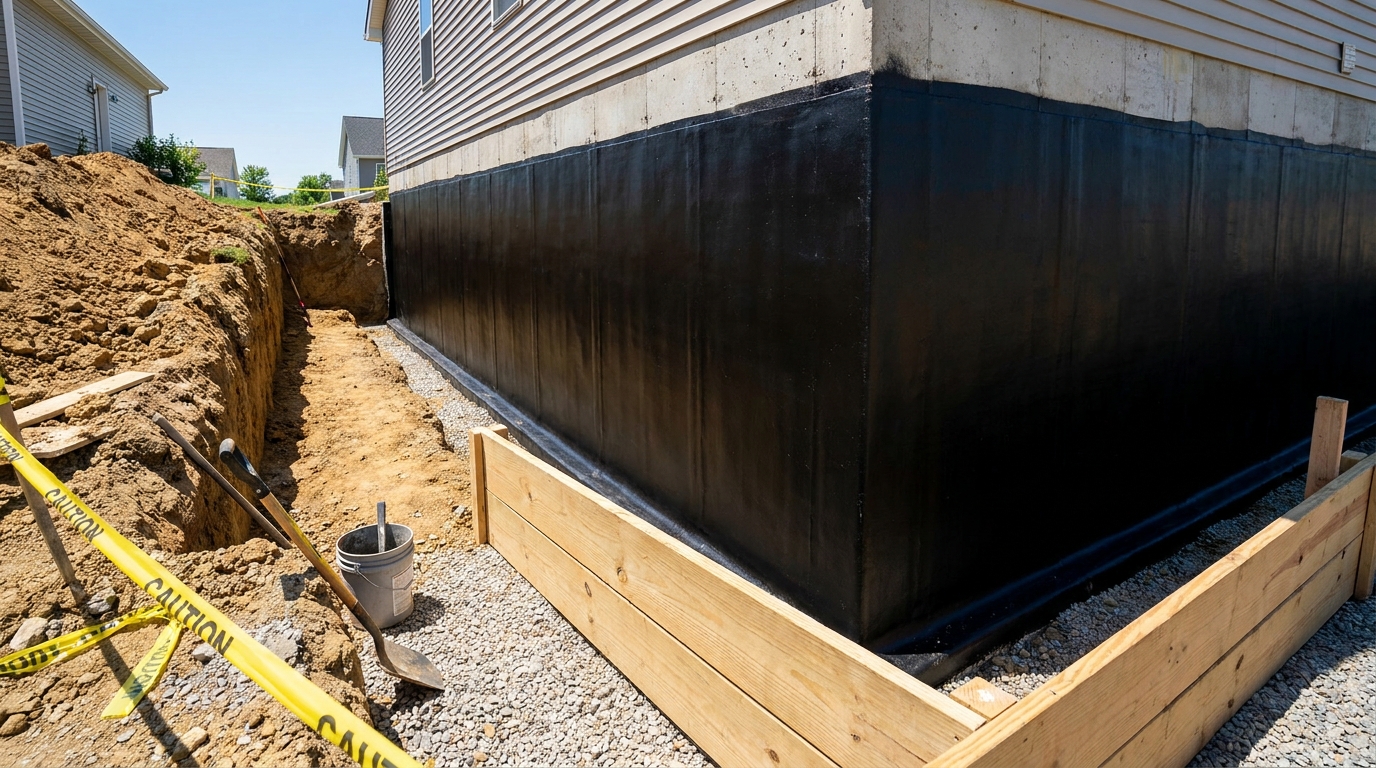
- Separate moisture work from insulation. If the quote bundles drainage, a sump pump, and a dehumidifier, ask which items actually solve your problem and which are optional add-ons.
- Use the ranges above as your anchor. If a quote sits far above typical per-square-foot numbers, ask the contractor to justify the difference line by line.
Done right, crawl space insulation is one of the better comfort-and-energy investments in an older home. The goal is to pay a fair price for the correct job, not the most expensive version of it.
Frequently asked questions
How much does it cost to insulate a crawl space?
Crawl space insulation typically costs $1.00 to $4.50 per square foot installed. For an average 1,000 square foot crawl space that usually works out to about $2,000 to $4,000, with simple batt jobs starting near $1,500 and closed-cell spray foam or combined wall-and-floor projects running higher.
What is the best insulation for a crawl space?
For most crawl spaces, rigid foam board or closed-cell spray foam are the best choices because they resist moisture and do not degrade the way fiberglass does. Fiberglass batts are the cheapest option but tend to absorb water, sag, and grow mold in a damp or dirt-floor crawl space, so many pros avoid them there.
Should I insulate the crawl space walls or the floor above?
It depends on whether the crawl space is vented or sealed. A vented crawl space is insulated at the floor above it, while a sealed or encapsulated crawl space should be insulated at the perimeter walls. For a sealed space, wall insulation is generally better because it uses less material and keeps your ducts and pipes inside the conditioned zone.
What R-value do I need for crawl space insulation?
As a general guide, floor insulation over a vented crawl space is usually around R-19 to R-38 depending on climate, while perimeter wall insulation in a sealed crawl space is often around R-5 to R-15, with many codes calling for roughly R-10 of continuous wall insulation. Your local code and climate zone set the exact target, so confirm it before buying.
Can I insulate my crawl space myself?
Yes, for straightforward jobs. Laying a vapor barrier, sealing vents, and installing rigid foam board on accessible walls are reasonable DIY projects. Call a professional for closed-cell spray foam, low-clearance spaces, or any crawl space that is wet, moldy, or pest-infested, where fixing the moisture problem correctly matters more than the insulation itself.
Get a fair-price quote
Match with a vetted local crawl space pro and sanity-check your quote, free.
Get a free quoteCost ranges are typical U.S. figures compiled by SealedCrawl for general guidance and vary by region, crawl space condition and contractor. Always get written on-site quotes.