Sagging or Uneven Floors Over a Crawl Space in 2026: Causes and Fixes
A floor that dips in the middle of a room, bounces when you walk across it, or slopes enough that a marble rolls on its own is not just an annoyance. Over a crawl space, it is almost always a sign that the wood framing or the supports holding your floor up are failing. The good news: it is a well understood problem with proven fixes. The important part is diagnosing the real cause before anyone starts jacking things up, because the wrong repair can make matters worse.
This guide explains what causes sagging and uneven floors over a crawl space, the warning signs worth acting on, how a crawl space repair contractor diagnoses the problem, what the common fixes cost, and how to hire the right pro without overpaying.
What a sagging floor over a crawl space actually means
Your floor is held up by a system: joists (the parallel boards you see from below), girders or beams that carry those joists, and support posts or piers that transfer the load down to footings in the soil. When any link in that chain weakens or moves, the floor above it drops. A sag is simply the floor following a support that is no longer doing its job. Because the whole system shares the load, one failing post or one rotted beam can show up as a dip across an entire room.
What causes floors to sag over a crawl space
There is rarely a single villain. In most homes two or three of these are happening at once:
- Failed or settling support posts and piers. Posts can rot at the base, shift, or settle when the soil or footing beneath them is weak. That leaves a gap between the post and the girder it was carrying, and the floor drops to fill it.
- Rotted or weakened joists and girders. Wood that stays damp loses strength. Over time joists and beams warp, cup, and rot, and they can no longer carry the load they were sized for.
- Moisture and wood rot. This is the root cause behind much of the above. Crawl spaces open to bare earth collect humidity and sometimes standing water, which feeds rot and mold in the framing.
- Supports spaced too far apart or missing. If the original build placed posts too far apart, or a support was removed during a past renovation, the girder spans too far and sags between points.
- Foundation settlement. When the ground under the footings settles unevenly, the supports resting on them move, and the floor moves with them.
- Termite or pest damage. Insects and rodents can hollow out structural wood from the inside, quietly reducing its strength until the floor begins to give.
Here is how the common causes line up with the fix a contractor is likely to recommend:
| Likely cause | Typical fix |
|---|---|
| Settled or rotted support post | Replace with an adjustable steel support post on a proper footing |
| Weak or over-spanned girder | Add a midspan beam and posts, or replace the beam |
| Rotted or sagging joists | Sister new joists alongside the damaged ones, or replace them |
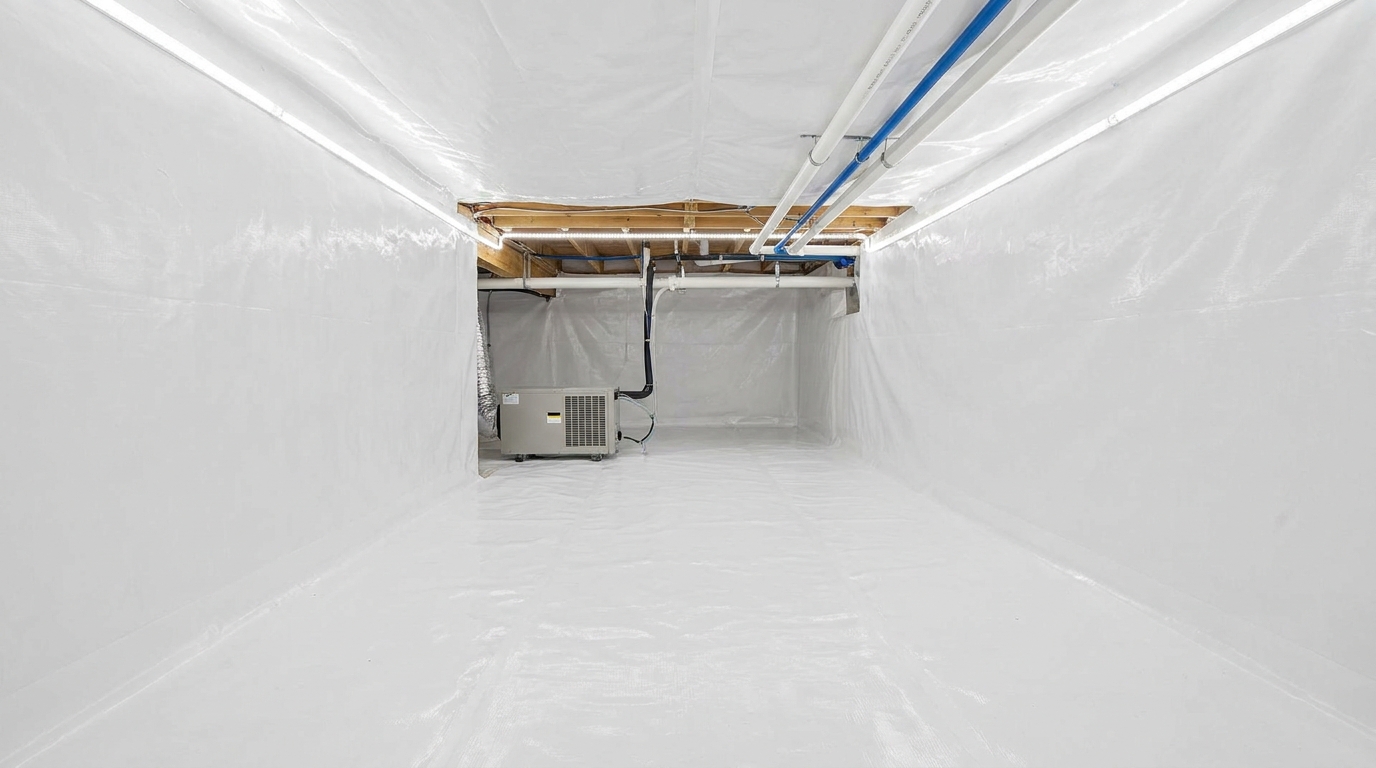
| Chronic crawl space moisture | Fix drainage, add a vapor barrier, consider encapsulation and a dehumidifier |
| Termite or pest damage | Treat the infestation first, then repair or replace affected wood |
Warning signs you should not ignore
A sag rarely appears overnight, and the early signs are easy to dismiss. Watch for:
- Floors that feel soft, spongy, or bouncy underfoot, or that visibly dip or slope.
- A marble or round object that rolls on its own across a level-looking floor.
- New gaps between the floor and the baseboards, or between the floor and an interior wall.
- Doors and windows that suddenly stick or will not latch.
- Fresh cracks in drywall, especially above doorways, and increased squeaking or creaking.
- A musty smell, visible mold, or standing water when you look into the crawl space.
Any one of these alone may be minor. Several together, or a dip that is clearly getting worse, is your cue to get the crawl space inspected.
How a crawl space repair contractor diagnoses it
A good contractor does not quote off a photo of your living room. They go into the crawl space and inspect the actual support system. Expect them to check moisture levels and look for standing water, probe joists, girders, and posts for rot or insect damage, look for posts that have settled or pulled away from the beam, and measure how far and where the floor is out of level. The goal is to separate the symptom (the dip you feel upstairs) from the source (the failing support or the moisture feeding it). A contractor who cannot clearly explain what they found and why they are recommending a specific repair is a red flag.
Repair options and what they cost
The right repair depends entirely on the diagnosis. Often it is a combination: stabilize the structure, then fix the moisture source so it does not happen again. The figures below are typical, estimated U.S. ranges for general guidance. Your real number depends on access, the extent of damage, and local labor rates.
| Repair | What it addresses | Typical estimated cost |
|---|---|---|
| Adjustable steel support posts (jacks) | Replacing failed or settled posts; re-supporting a beam | About $300 to $630 per post, installed |
| Sistering joists | Reinforcing rotted or weak joists with new lumber alongside | About $200 to $500 per joist; roughly $2,000 to $5,000 for a room |
| New midspan beam and posts | Supporting a girder that spans too far | About $1,500 to $4,000 for a standard single span |
| Girder or beam replacement | Replacing a failed main support beam | Priced per foot; a steel beam runs roughly $260 to $275 per foot |
| Vapor barrier or encapsulation | Stopping the moisture that causes rot | About $1,500 to $15,000, averaging near $5,500 |
| Whole-floor structural repair | Rebuilding joists and supports across a large area | About $10,000 to $20,000 or more |
For context, repairing a single sagging floor over a crawl space often lands in the $1,000 to $5,000 range. A simple subfloor patch can be a few hundred dollars, while replacing rotted joists across an entire floor is where the big numbers come from. Limited crawl space access and moisture cleanup add labor time, which is why identical-looking jobs can be quoted thousands apart.
Is fixing a sagging floor a DIY job?
For anything structural, no. This is one of the few home repairs where doing it yourself is genuinely dangerous. Trying to level a floor with a bottle jack or wooden wedges can crack load-bearing framing, fracture hidden plumbing lines, and open new cracks in the walls and ceilings above as the structure moves. Floors must be raised slowly and in small increments, with the load calculated correctly, using equipment built for the job. The most a homeowner should take on alone is tightening or shimming a minor squeak, or improving crawl space ventilation and drainage. The actual lifting, post replacement, and beam work belong to a pro.
How to choose a crawl space repair contractor
Because prices and quality vary widely in this trade, the contractor you pick matters as much as the repair itself. Before you sign anything:
- Confirm licensing and insurance. Verify the contractor holds the license your state requires for structural or foundation work, and ask for proof of general liability and workers compensation coverage.
- Insist on an in-person crawl space inspection. A legitimate quote follows an inspection of the actual supports and moisture, not a quick look at the room upstairs.
- Get a written, itemized scope. You should see exactly what will be done, how many posts or joists, what materials, and in what sequence, so you can compare quotes fairly.
- Ask about the warranty. Understand what is covered, what voids it, how long it lasts, and whether it transfers if you sell the home. Reputable crawl space work typically carries a multi-year warranty.
- Get two or three quotes. Prices in this trade vary by company as much as by scope. Multiple quotes are the single best protection against overpaying.
- Make sure they address the moisture source. A fix that stabilizes the floor but ignores the water that rotted it will not last.
Preventing it from coming back
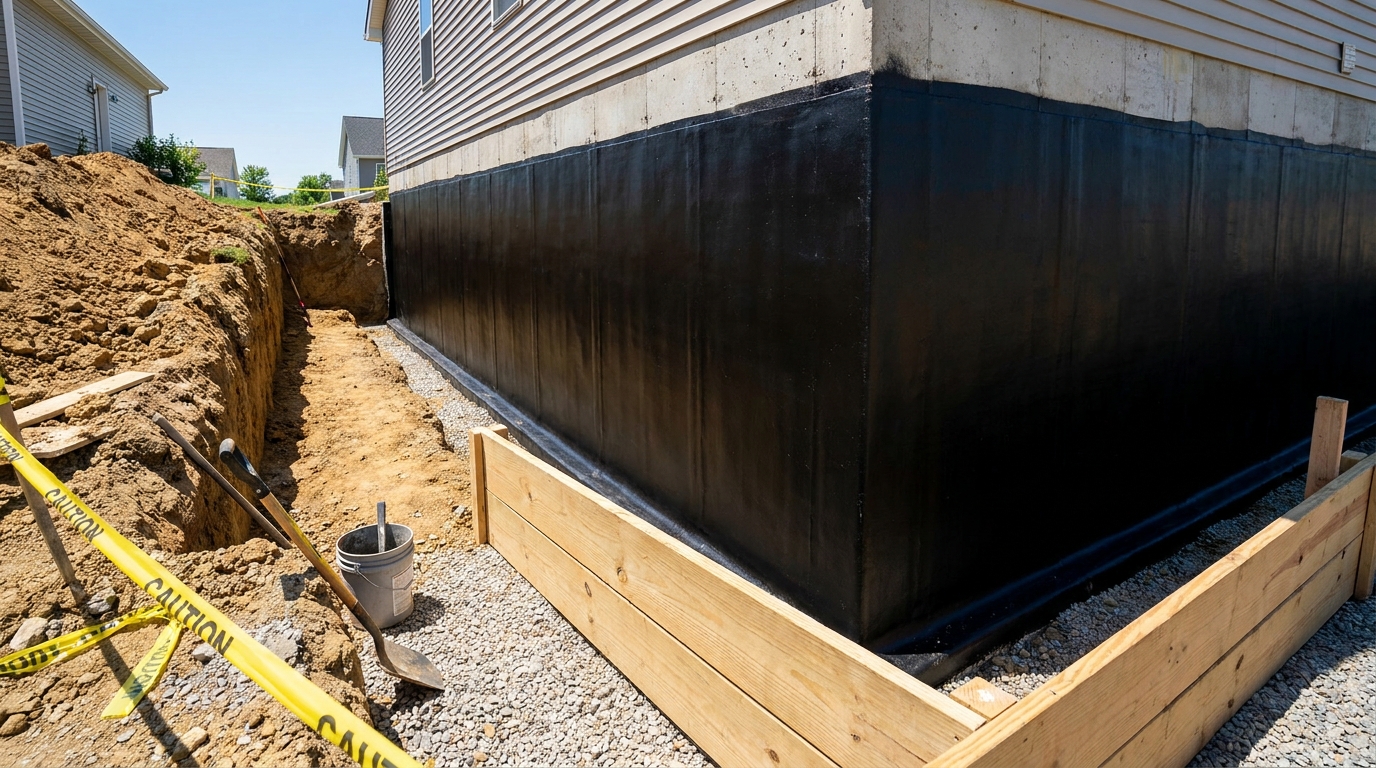
Most crawl space structural problems trace back to moisture, so controlling moisture is how you keep the floor from sagging again. That usually means directing water away from the foundation with good grading and working gutters, covering the ground with a quality vapor barrier or a full encapsulation system, adding a sump pump where water collects, and running a dehumidifier to hold humidity down. Keeping the wood dry is what protects the posts, joists, and beams you just paid to repair. Fix the structure and the water together, and a dry, solid floor should stay that way.
Frequently asked questions
What causes floors to sag over a crawl space?
The usual causes are failed or settling support posts, rotted or over-spanned floor joists and girders, chronic moisture and wood rot, supports spaced too far apart or missing, foundation settlement, and termite or pest damage. In most homes two or three of these happen at once, and moisture is often the underlying driver.
How much does it cost to fix a sagging floor over a crawl space?
Repairing a sagging floor over a crawl space typically runs about $1,000 to $5,000, though the range is wide. A simple subfloor patch can be a few hundred dollars, while replacing rotted joists and supports across an entire floor can reach $10,000 to $20,000 or more. These are typical estimated U.S. figures; get an on-site quote.
Can I fix a sagging floor myself?
For anything structural, no. Trying to level a floor with a jack or wedges can crack framing, break hidden plumbing, and damage the walls above. Floors must be raised slowly with the load calculated correctly, which is a job for a licensed pro. A homeowner should limit DIY to minor squeak fixes and improving crawl space drainage and ventilation.
Are sagging floors dangerous?
A minor dip is usually not an emergency, but a sagging floor is a sign that the structure supporting it is weakening, and it tends to get worse over time. Soft, bouncy, or clearly worsening floors should be inspected promptly because the underlying supports may be failing.
How does a contractor fix a sagging floor over a crawl space?
After inspecting the crawl space, a contractor stabilizes the structure using the fix that matches the cause: adjustable steel support posts for failed posts, sistered or replaced joists for rotted joists, and a new or replacement beam for a failing girder. They should also correct the moisture source with drainage, a vapor barrier or encapsulation, and sometimes a dehumidifier so the problem does not return.
Get a fair-price quote
Match with a vetted local crawl space pro and sanity-check your quote, free.
Get a free quoteCost ranges are typical U.S. figures compiled by SealedCrawl for general guidance and vary by region, crawl space condition and contractor. Structural issues should be assessed on-site by a qualified pro. Always get written quotes.