Wet Basement Solutions: What Works, and What It Costs
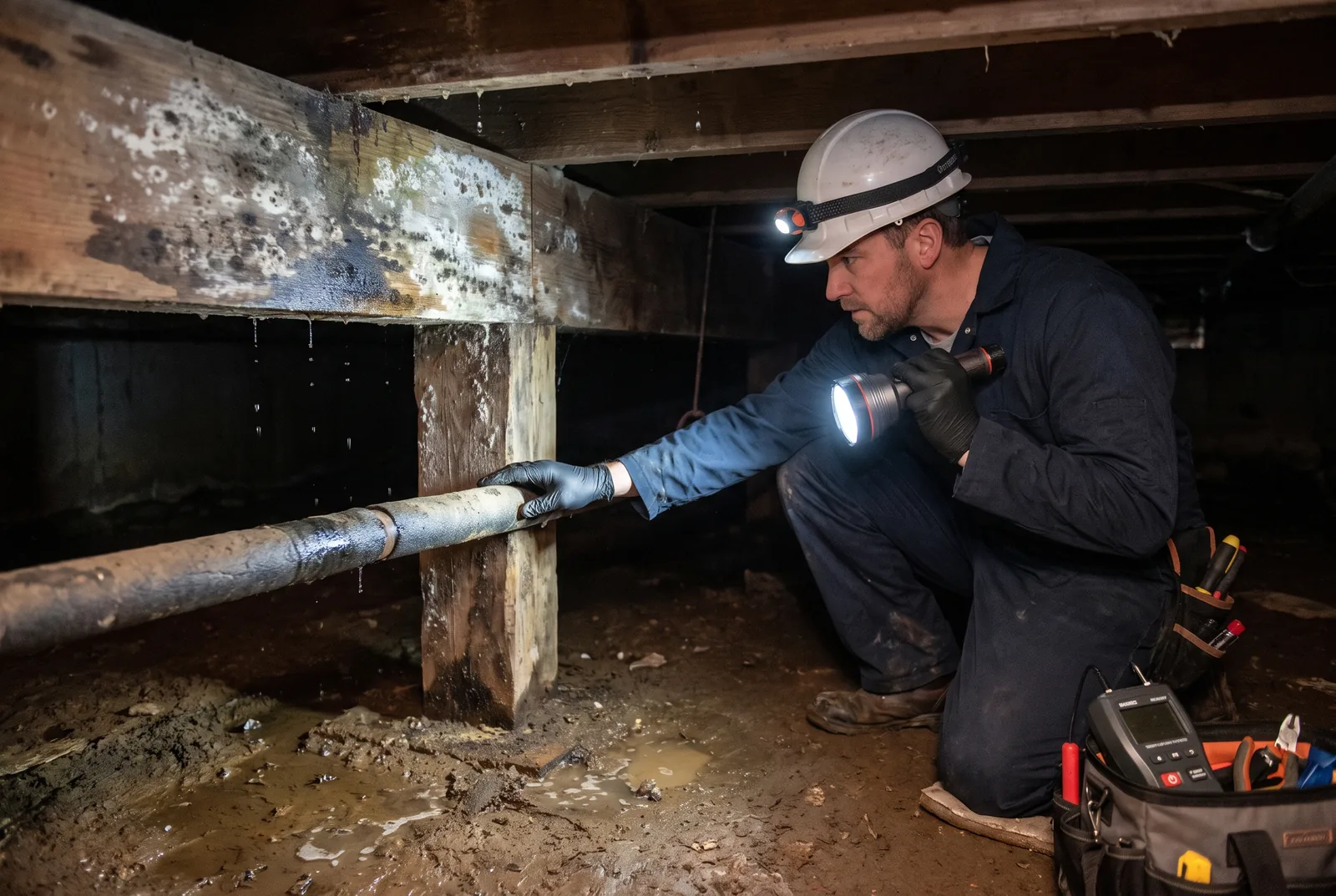
A wet basement is one of the most stressful problems a homeowner can face, partly because the proposed fixes range so wildly. One company suggests a $200 downspout extension, the next wants $20,000 to excavate your foundation. Both can be right, for different houses. The key is matching the solution to where your water is actually coming from. This guide lays out the real wet basement solutions in 2026, from the cheap fixes you should try first to the major systems, what each costs, and how to avoid paying for far more than your problem requires.
Start outside: the cheap fixes come first
Before anyone cuts your concrete, the water should be chased back to its source, and surprisingly often that source is outside. A large share of wet basements are caused not by a high water table but by rainwater that is funneled straight toward the foundation. Fixing that can cost a few hundred dollars and sometimes solves the problem entirely.
- Extend your downspouts. Downspouts that dump water right at the foundation are a leading cause of leaks. Extending them several feet away is cheap and effective.
- Clean and repair gutters. Overflowing gutters pour water down the foundation wall. New gutters typically run $650 to $1,750, a basic cleaning far less.
- Fix the grading. Soil should slope away from the house, roughly six inches of fall over the first ten feet. Regrading is often a few hundred dollars and redirects surface water before it reaches the wall.
These steps are the first thing an honest contractor checks. If a company quotes a major interior or exterior system without ever mentioning your gutters and grading, that is a signal to get a second opinion.
Wet basement solutions by cost
Once the outside is handled, the remaining solutions address water that still gets in. The table below shows typical U.S. ranges so you can see where your situation might land.
| Solution | Typical cost | Best for |
|---|---|---|
| Grading, gutters, downspout extensions | $600 - $2,000 | Rainwater pooling near the foundation |
| Interior sealant / waterproof paint | $500 - $1,500 | Minor dampness and condensation |
| Foundation crack injection (per crack) | $400 - $900 | A single leaking wall crack |
| Interior drainage + sump pump | $3,000 - $10,000+ | Active, recurring water intrusion |
| Exterior excavation + membrane | $15,000 - $25,000+ | Severe, chronic foundation problems |
The spread is real, not a scam, because these solutions solve very different problems. You can rough out your own number with our cost calculator, and our basement waterproofing cost guide breaks the pricing down further.
Interior drainage and sump pumps
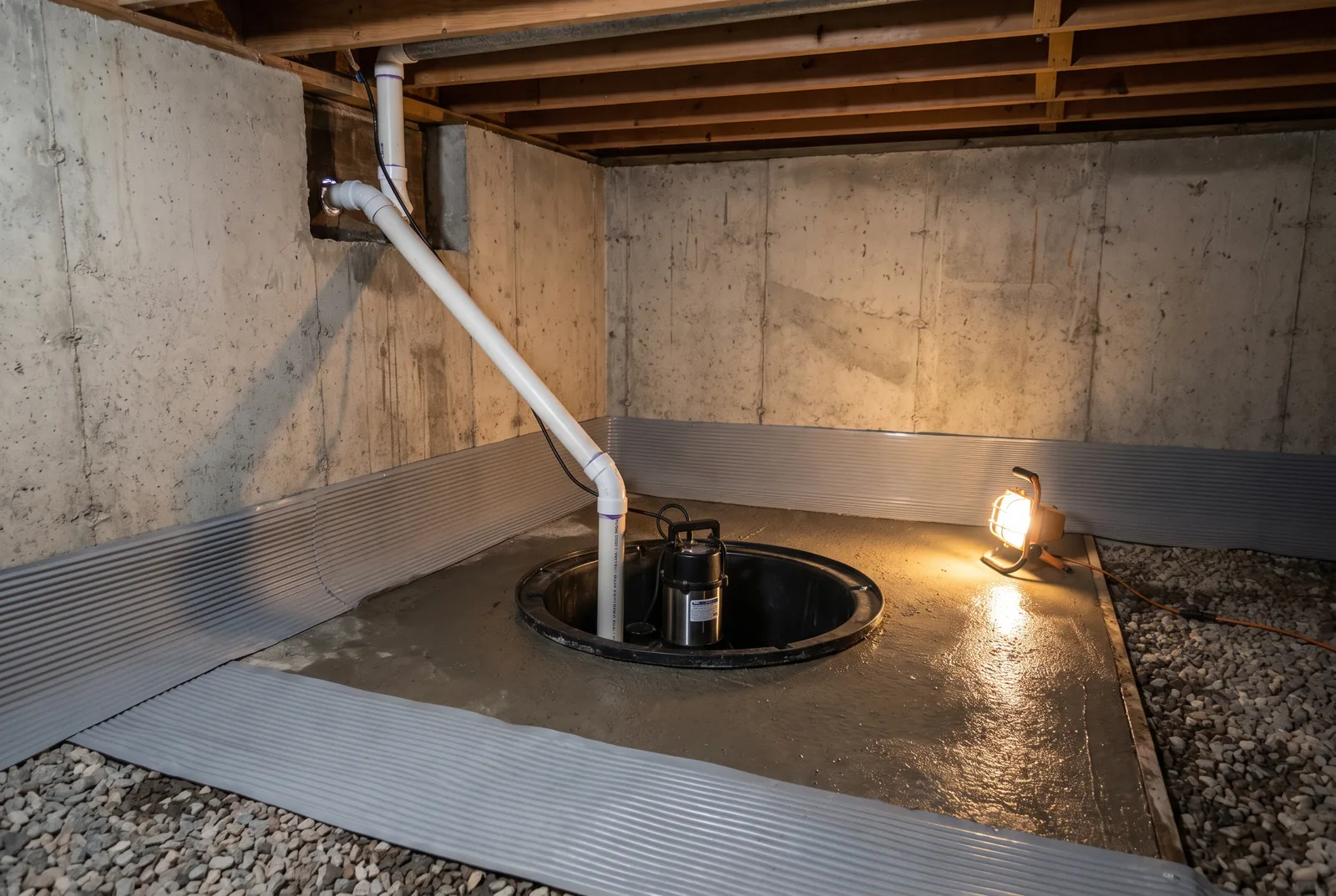
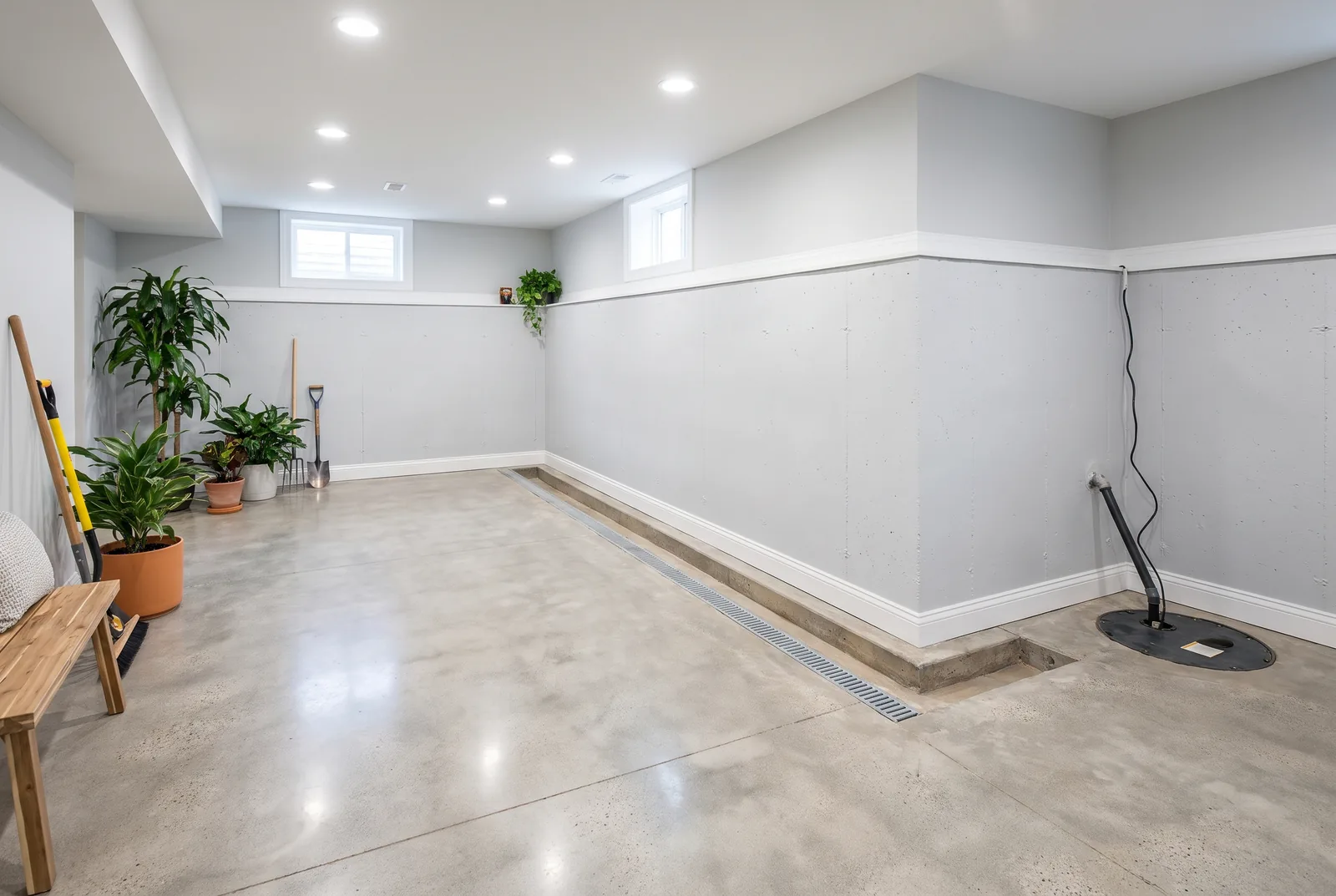
When water keeps entering despite good gutters and grading, interior drainage is the workhorse solution. A channel, usually a perforated pipe in gravel, is installed around the inside perimeter of the basement to catch water as it enters and route it to a sump pump, which then pushes it outside and away from the foundation. It is priced largely by the linear foot of wall, so bigger basements cost more.
Interior drainage is the right choice for roughly eight out of ten residential basement water problems. It is less invasive than digging up the yard, installs in a few days, and manages water effectively. A sump pump typically adds $1,000 to $2,500 to the job, and a battery backup adds more but keeps the system running during the storms that cause both floods and power outages. Finished basements cost more because flooring and drywall have to come out and go back.
Exterior excavation: the last resort
Exterior waterproofing is the most thorough and the most expensive solution. A crew excavates down the outside of the foundation to the footing, cleans the wall, applies a waterproof membrane, and installs exterior drainage before backfilling. Because it stops water before it ever reaches the wall, it is the gold standard for severe, chronic cases, but at $15,000 and up it is overkill for the average wet basement.
Exterior work makes sense when the foundation wall itself is failing, when interior systems have been tried and not held, or during major landscaping when the ground is already being dug. For most homes, interior drainage solves the problem at a fraction of the cost. If your issue traces to the foundation structure rather than just water management, our foundation waterproofing cost guide covers what to expect.
Match the solution to your water source
Every smart wet basement decision starts with the same question: where is the water coming from? The answer points to the right fix and the right price.
- Water only when it rains, near a window or the floor edge: usually surface water, so start with gutters, downspouts, and grading.
- A damp, clammy feel with no visible leaks: often condensation, solved with sealing and a dehumidifier.
- Water through a single visible crack: crack injection is often enough.
- Water seeping along the floor and wall joint, repeatedly: hydrostatic pressure, which interior drainage and a sump pump manage.
- Chronic flooding and a failing wall: the case where exterior excavation may be justified.
A contractor who diagnoses the source before quoting is doing the job right. A price without a stated cause is guesswork, and it usually trends toward the most expensive option.
How to avoid overpaying
- Try the cheap outside fixes first. Gutters, downspouts, and grading solve a real share of wet basements for a few hundred dollars.
- Be wary of exterior-only pitches. If a company only sells five-figure excavations, get a second opinion, because interior drainage often solves the same problem for far less.
- Insist on a diagnosis. The water source should be named before any quote.
- Compare two or three written quotes and check what each includes, not just the total.
- Get the warranty in writing and confirm it transfers to a future owner, which matters at resale.
What about a finished basement?
A finished basement changes the math in two ways. First, it raises the cost of any interior work, because flooring, drywall, and sometimes framing have to be removed to reach the wall and floor joint, then rebuilt afterward. That demolition and restoration can add several thousand dollars to an interior drainage job that would be straightforward in an unfinished space. Second, it raises the stakes, since water that would merely dampen a bare slab can ruin finished floors, drywall, and anything stored down there.
If you are planning to finish a basement that has ever shown moisture, the honest move is to solve the water first, while the walls are still open and the fix is cheapest. Finishing over an unaddressed water problem is one of the most expensive mistakes a homeowner can make, because the eventual repair means tearing out the very finishes you just paid for. A dry, warrantied basement also tends to help at resale, since it removes a major concern for buyers, though the exact value depends on your market.
How long do the fixes take?
Timeline often matters as much as price, especially if water is actively coming in. The outside fixes, gutters, downspouts, and grading, are typically a day or less. Interior sealant and crack injection are usually same-day jobs. An interior drainage system with a sump pump generally takes two to five days depending on the size of the basement and whether finishes have to be removed. Exterior excavation is the longest, often a week or more, because the crew has to dig, treat the wall, install drainage, and backfill, all weather permitting. Knowing the expected timeline helps you spot a quote that is rushing the work or padding the hours.
A dry basement is absolutely achievable, and for most homes it does not require the biggest number on the estimate. Chase the water to its source, fix the cheapest cause that actually solves it, and insist on a contractor who explains the why before quoting the what.
Frequently asked questions
What is the cheapest way to fix a wet basement?
The cheapest fixes are outside: extending downspouts, cleaning or repairing gutters, and regrading soil so it slopes away from the foundation. These steps often cost a few hundred dollars and solve a surprising share of wet basements caused by rainwater draining toward the house.
How much does it cost to fix a wet basement?
Wet basement solutions run from about $600 for grading and gutter work, to $3,000 to $10,000 or more for interior drainage with a sump pump, to $15,000 and up for exterior excavation. Most homeowners land around $3,000 to $10,000, depending on the water source and the basement size.
Why is my basement wet only when it rains?
Rain-only moisture almost always points to surface water, meaning gutters, downspouts, or grading are funneling rainwater toward the foundation. These are the cheapest problems to fix and should be addressed before any major interior or exterior waterproofing system.
Do I need interior or exterior waterproofing?
Interior drainage is cheaper, less invasive, and solves roughly eight out of ten residential basement water problems by managing water that enters. Exterior excavation stops water before it reaches the wall and is more thorough, but far more costly and usually reserved for severe or chronic cases.
Can a wet basement be fixed permanently?
Yes, when the fix matches the true water source and the work is warrantied. Surface water solved by grading and gutters, or hydrostatic pressure managed by interior drainage and a sump pump, can keep a basement dry for the long term. The key is diagnosing the source rather than masking the symptom.
Not sure which wet basement fix you need?
Match with a vetted local waterproofing pro and get an honest diagnosis and quote, free.
Get a free quoteCost ranges are typical U.S. figures compiled by SealedCrawl for general guidance and vary by region, water source and contractor. Always get written on-site quotes.