Foundation Waterproofing Cost: What You Should Actually Pay
Foundation waterproofing is one of those home repairs where the quotes can feel impossible to compare. One contractor hands you a $600 estimate to seal a wall, the next wants $18,000 to dig out your foundation. Both are describing real work, but they are solving very different problems. This guide breaks down what foundation waterproofing actually costs, what you are paying for, the warning signs that you need it, and how to make sure you are not overpaying for more than your home requires.
Foundation waterproofing cost by method
The method your home needs depends almost entirely on where the water is coming from and how severe the intrusion is. Here are typical U.S. ranges for the most common approaches.
| Method | Typical cost | Best for |
|---|---|---|
| Interior sealant / waterproof coating | $600 - $2,000 | Minor dampness and condensation |
| Crack injection (per crack) | $400 - $1,000 | A single leaking foundation crack |
| Interior drainage + sump pump | $4,000 - $12,000 | Active water intrusion through the floor or walls |
| Exterior excavation + waterproofing membrane | $10,000 - $20,000+ | Severe, chronic or recurring water problems |
| Exterior drainage / French drain | $2,000 - $8,000 | Poor grading and surface water pooling |
Warning signs you need foundation waterproofing
Waterproofing is not something most homes need preemptively, but there are clear signals that water is already getting where it should not be. Watch for these:
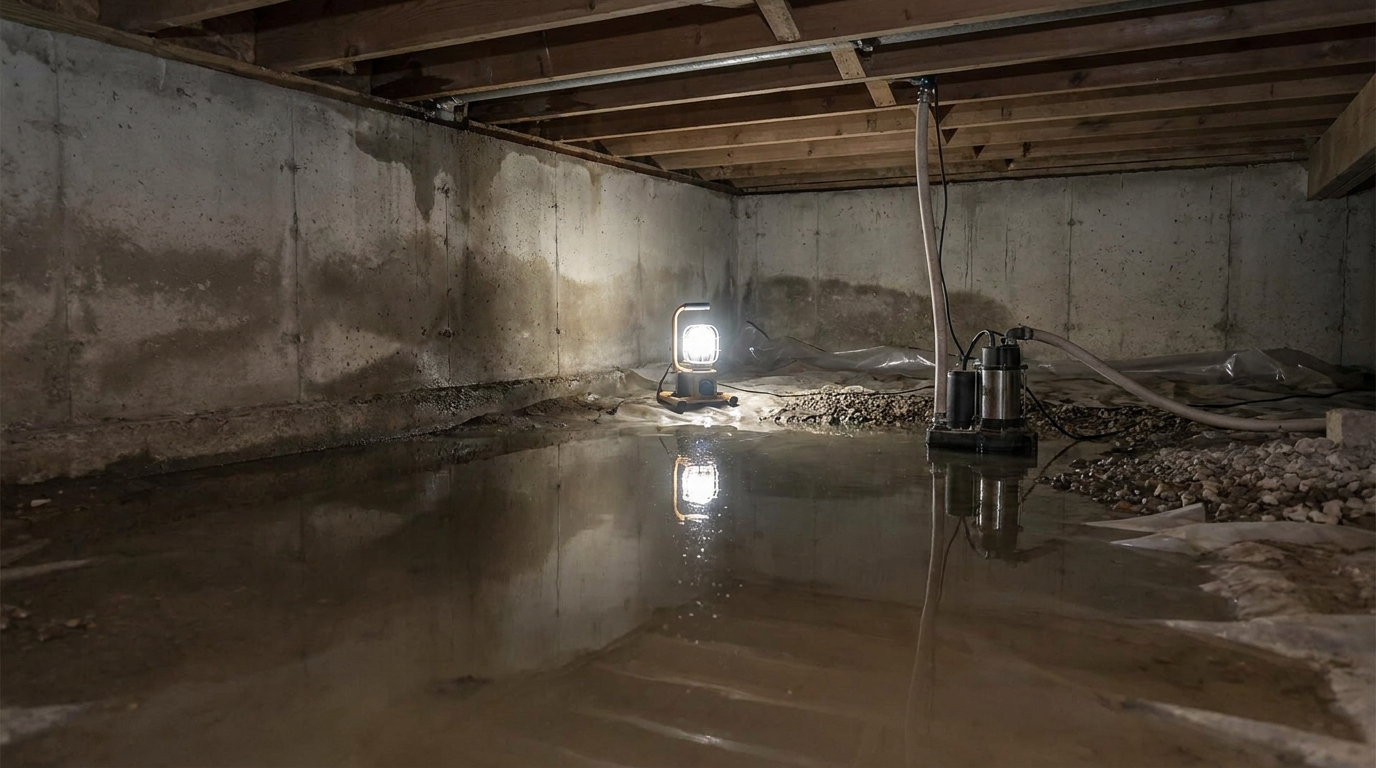
- Water or damp patches on basement or crawl space walls after heavy rain.
- Efflorescence, the chalky white mineral residue left behind as water evaporates through concrete or block.
- A persistent musty smell, which usually points to trapped moisture and possible mold.
- Cracks in foundation walls, especially horizontal cracks or cracks that are actively leaking.
- Peeling paint, rust stains or a high-tide line on the wall near the floor.
- Pooling water near the foundation after rain, which signals grading or drainage problems.
One or two minor signs may call for a simple fix. Multiple signs, or any active water flow, usually means a real diagnosis and a drainage solution are worth the investment before damage spreads.
What drives the price
- The source of the water. Condensation and minor surface seepage are cheap to address. Hydrostatic pressure from a high water table pushing water up through the slab is the expensive end of the scale.
- Linear footage. Interior and exterior drainage are priced per linear foot of wall, so a larger foundation footprint costs more.
- Sump pump and backup. A sump pump typically adds roughly $1,000 to $2,500 installed, and a battery backup adds more but protects you during power outages.
- Excavation and access. Exterior work means digging down to the footing. Landscaping, decks, driveways and tight lot access all raise the cost.
- Finishing and restoration. If a basement is finished, flooring and drywall often have to come out and go back in, which adds to the total.
- Region and soil. Labor rates, local water tables and clay-heavy soils all shift pricing from one area to the next.
Interior vs exterior waterproofing
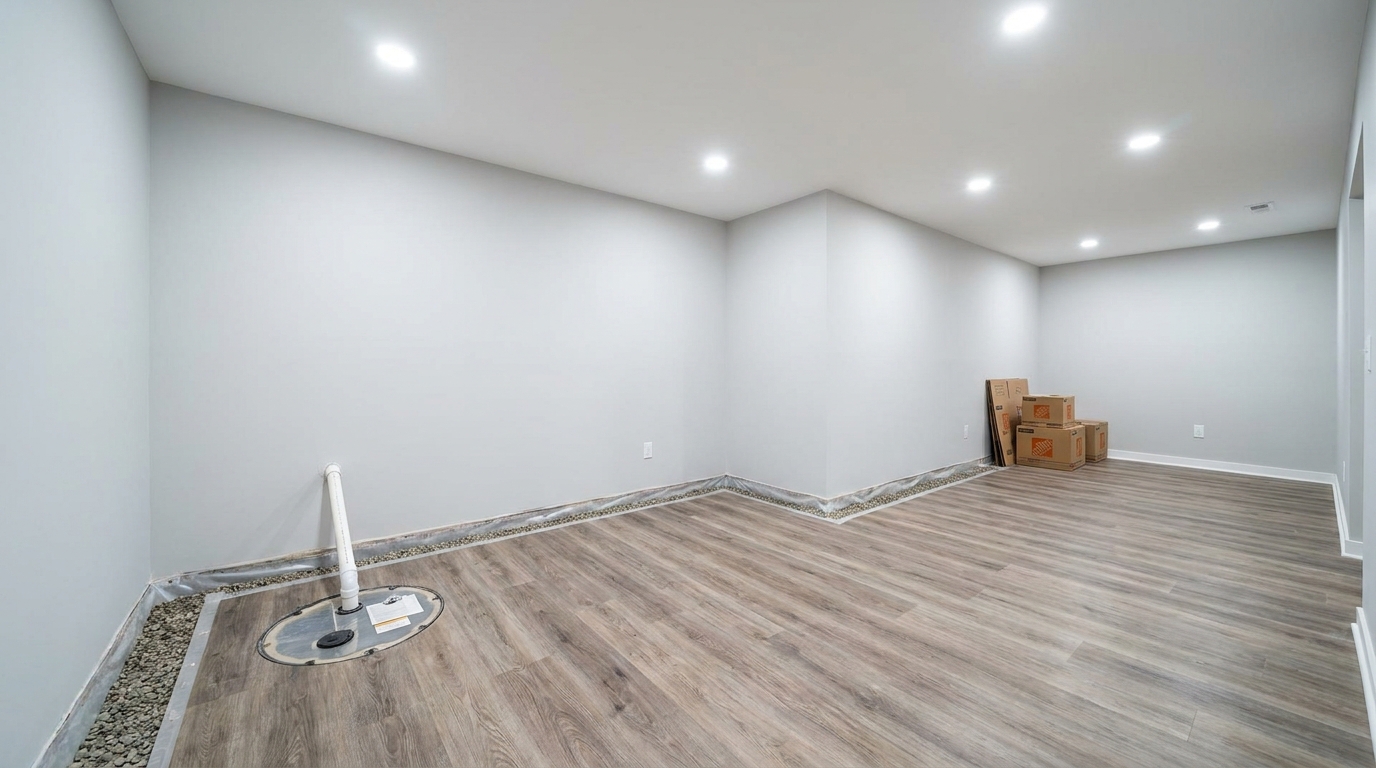
Interior systems manage water that has already entered the foundation. A channel is cut along the inside perimeter of the slab, water is collected and routed to a sump pump, and the pump discharges it away from the house. Interior work is less invasive, far cheaper, and solves the majority of wet-foundation problems because most intrusion happens where the wall meets the floor.
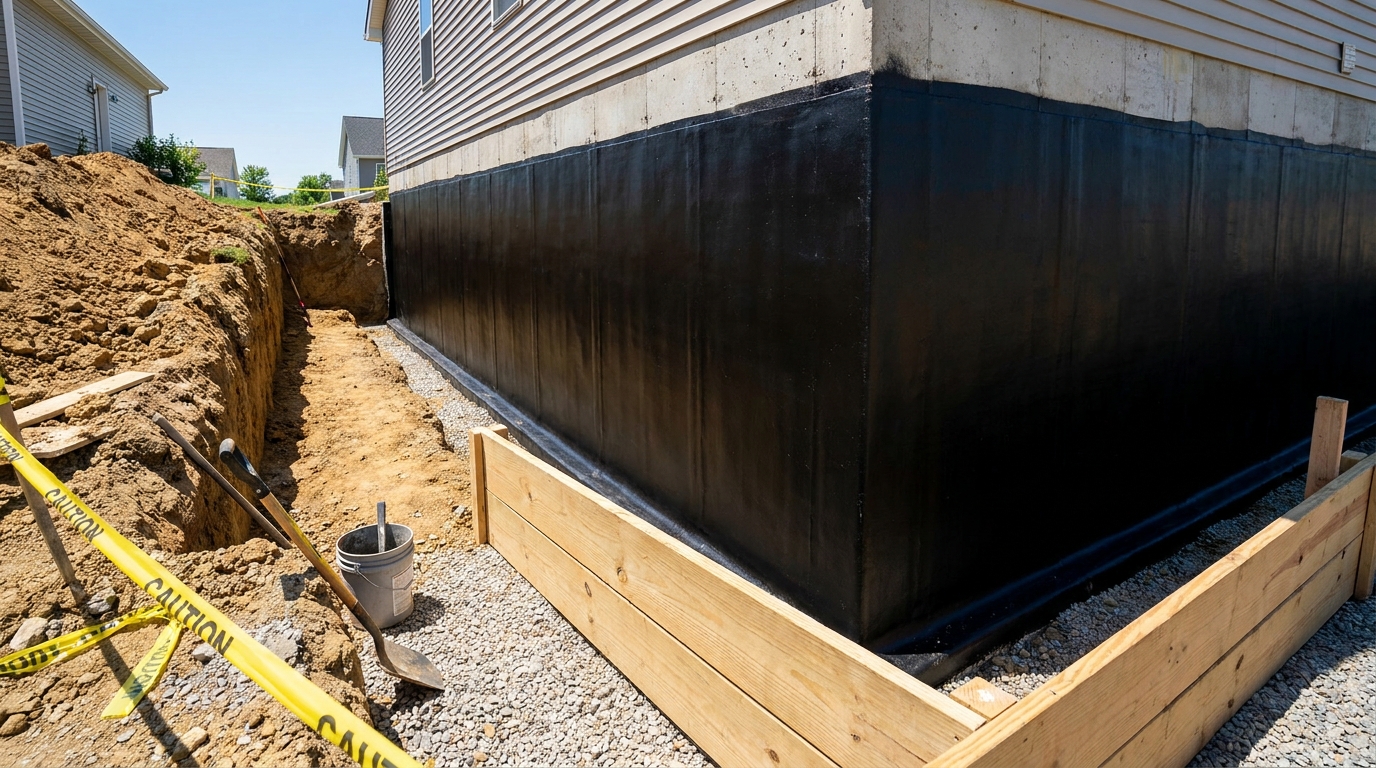
Exterior waterproofing stops water before it ever reaches the wall. The crew excavates down to the footing, cleans and seals the outside of the foundation with a waterproof membrane, and usually installs a drainage board and exterior drain pipe. It is the most thorough fix and the most expensive, and it is typically reserved for severe, recurring problems or cases where the wall itself is failing. A trustworthy contractor recommends the least invasive method that genuinely solves your specific water source, not the biggest-ticket option by default.
Cost by foundation type
Your foundation style also shapes the bill, because it changes how water gets in and how hard the fix is to reach.
- Poured concrete. The most common modern foundation. It is relatively easy to seal and inject, so repairs tend to sit toward the lower and middle of the ranges above.
- Concrete block (CMU). Block walls have hollow cores that can fill with water, so they sometimes need interior drainage even when a poured wall would not. Expect mid-range pricing and, in some cases, added work to relieve water trapped in the cores.
- Stone or brick (older homes). Harder to seal cleanly and more labor-intensive, which pushes costs higher. Interior drainage is often the practical choice because the walls themselves cannot be made fully watertight.
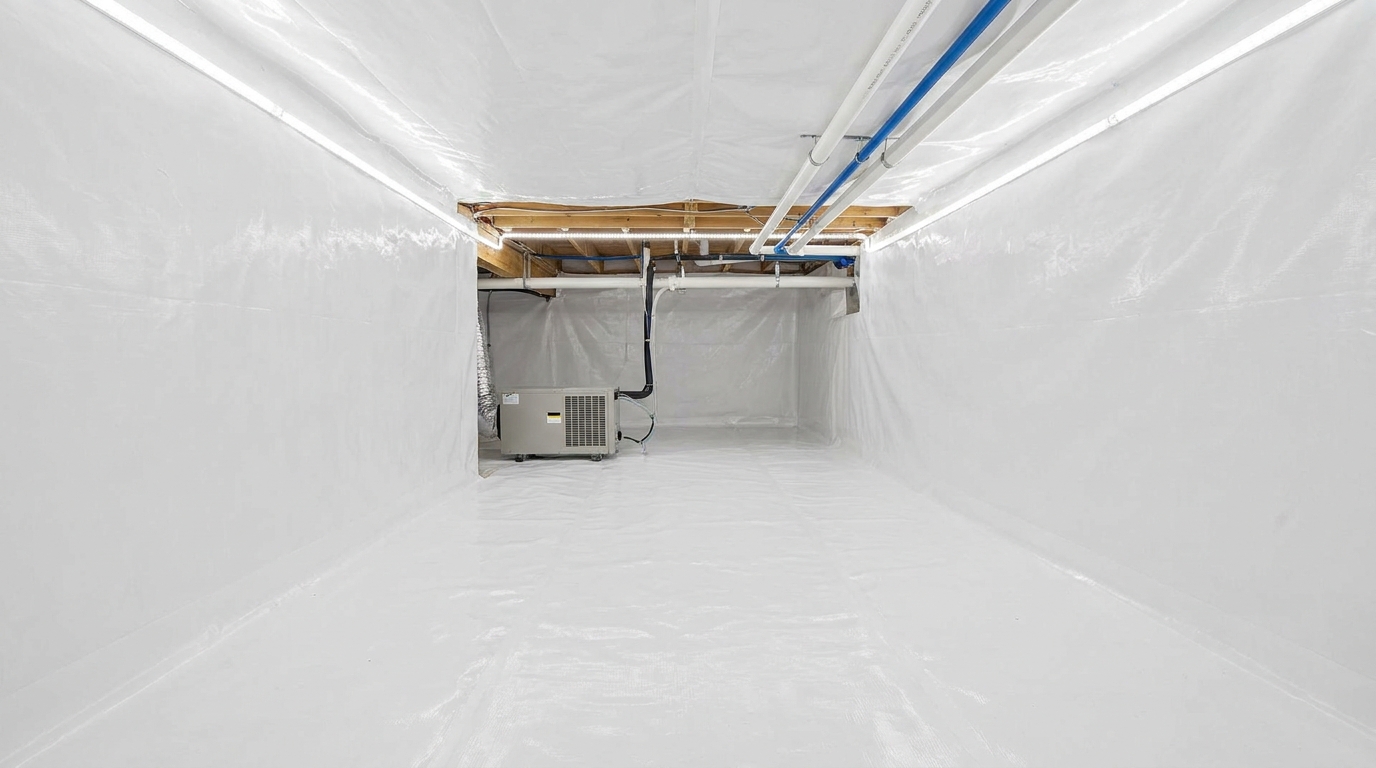
- Crawl space. Waterproofing here usually pairs drainage with a sealed vapor barrier (encapsulation). The combined project commonly lands in the mid-four to low-five figures depending on size and condition.
What a fair quote should include
A clear, itemized estimate is one of the best signs you are dealing with an honest contractor. A solid quote should spell out the diagnosed water source, the specific method proposed, the linear footage covered, whether a sump pump and backup are included, how water will be discharged, and what restoration (such as replacing concrete or drywall) is part of the price. It should also state the warranty terms in plain language. Vague, single-line quotes make it impossible to compare companies and often hide costs that resurface later.
On timing, most interior drainage projects are completed in one to three days. Crack injections and sealant work are often a single day. Exterior excavation is the longest and most disruptive, frequently running several days to a week or more depending on weather, access and the size of the foundation.
How to avoid overpaying
- Insist on a diagnosis first. The water source should be identified before anyone quotes a fix. A price without a cause is a guess.
- Be cautious of exterior-only pitches. If a company only sells five-figure excavations, get a second opinion. Interior drainage often solves the same problem for a fraction of the cost.
- Fix the cheap stuff first. Clean gutters, extended downspouts and corrected grading sometimes resolve the problem for a few hundred dollars. A good pro will mention these.
- Get the warranty in writing. Confirm what it covers and whether it is transferable, which matters at resale.
- Compare two or three quotes. Pricing in this trade varies more by company than by scope, so shopping around genuinely pays off.
Foundation waterproofing is rarely cheap, but it does not have to be a blank check. The homeowners who pay the fairest prices are the ones who understand the cause of their water problem before they ever sign a contract.
Frequently asked questions
How much does foundation waterproofing cost?
Most projects run $2,500 to $8,000, with a typical mid-range job around $5,000. A single crack repair may be a few hundred dollars, while full exterior excavation and membrane waterproofing can exceed $15,000. These are estimates that vary by region and the severity of the problem.
Is interior or exterior foundation waterproofing better?
Interior drainage is cheaper, less invasive and solves most intrusion by collecting water that enters and pumping it away. Exterior waterproofing stops water before it reaches the wall and is more thorough but far more expensive, usually reserved for severe or recurring cases.
What are the signs I need foundation waterproofing?
Common signs include damp or wet walls after rain, chalky white efflorescence on concrete, a persistent musty smell, cracks that leak, peeling paint or rust stains near the floor, and water pooling around the foundation outside.
How much does a sump pump add to the cost?
A sump pump typically adds $1,000 to $2,500 installed, and a battery backup adds more but protects against flooding during power outages. The exact figure depends on the pump and the discharge setup.
Can I waterproof my foundation myself?
You can handle minor interior sealing, condensation control, gutter cleaning and regrading yourself. Active water intrusion, drainage systems and structural foundation cracks are best left to a professional who offers a workmanship warranty.
Not sure which fix your foundation actually needs?
Match with a vetted local waterproofing pro and get an honest diagnosis and quote, free.
Get a free quoteCost ranges are typical U.S. figures compiled by SealedCrawl for general guidance and are estimates only. Actual pricing varies by region, foundation type, water source, soil conditions and contractor. Always get a written on-site assessment before making a decision.