Is Crawl Space Encapsulation Worth It? An Honest Look at the Costs and Benefits
Crawl space encapsulation gets sold two ways. Some contractors treat it as a miracle fix every home needs, and some skeptical homeowners write it off as overpriced plastic. The truth sits in between. Encapsulation is genuinely valuable for some homes and close to a waste of money for others. This guide walks through what it actually does, what it really costs, and the honest test for whether it is worth it for your house.
What crawl space encapsulation actually is
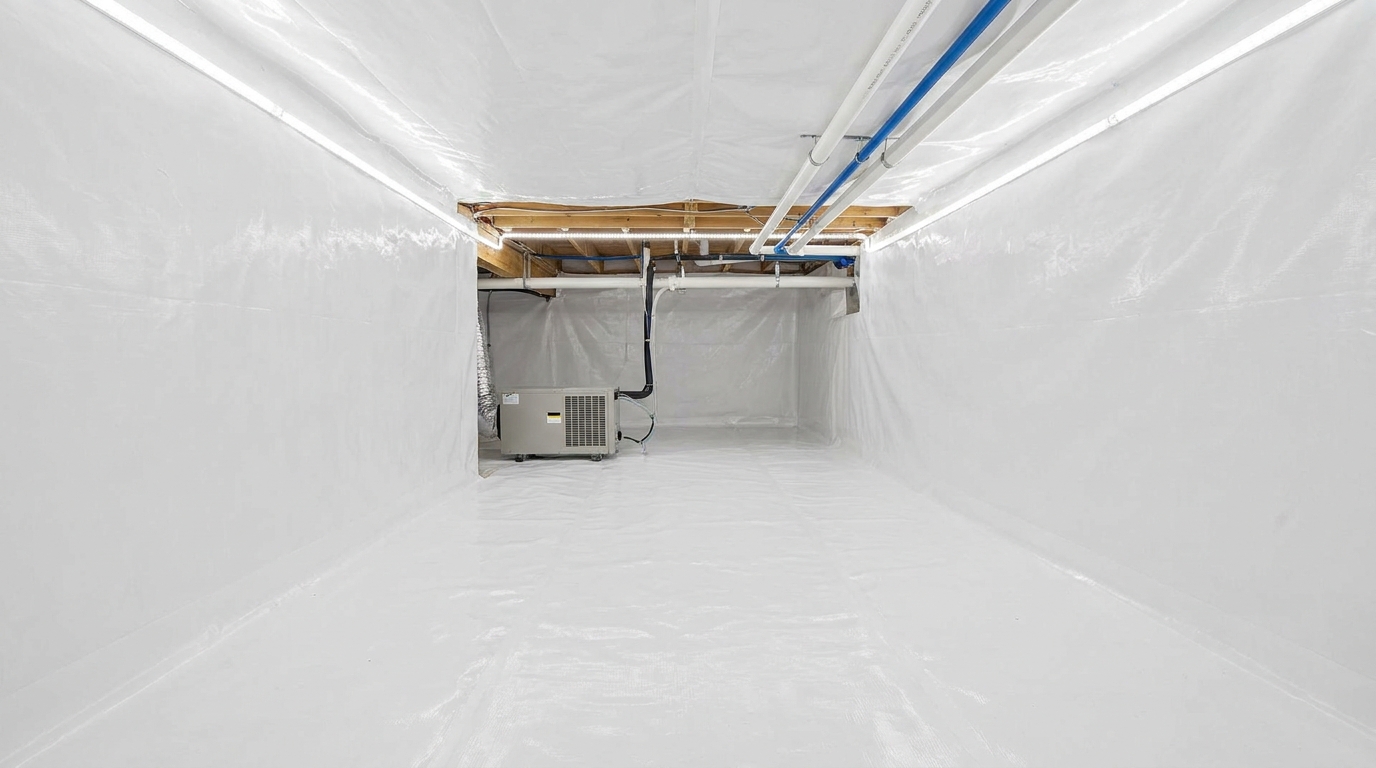
Encapsulation means sealing the crawl space off from ground and outside moisture. A full job typically includes a heavy-duty vapor barrier across the floor and up the walls, sealing or insulating the foundation vents, sealing gaps and the access door, and in most cases adding a dehumidifier or a drainage system to control whatever moisture remains. The goal is simple: turn a damp, vented dirt space into a dry, controlled one that no longer pumps humidity and musty air into the house above it.
It is worth separating encapsulation from a basic vapor barrier. Laying plastic on the dirt is a partial, much cheaper measure that slows ground moisture but leaves the vents open and the space connected to outside humidity. Encapsulation is the complete sealed system, which is why it costs more and does more. Knowing the difference matters, because some homeowners pay encapsulation prices for what is really just a vapor barrier, and others assume they need the full system when a barrier plus better drainage would have been enough.
The real benefits
When a crawl space has a genuine moisture problem, the benefits are real and measurable rather than theoretical.
- Lower humidity. Sealing out ground moisture is the most reliable way to stop a chronically damp crawl space, which is the root cause of most of the problems below.
- Less mold and wood rot. Mold and fungal decay need moisture. Remove the moisture and you remove the conditions that rot floor joists and subflooring over time.
- Better indoor air. Because of the stack effect, a meaningful share of the air you breathe upstairs is first drawn up from the crawl space as warm air rises and pulls replacement air from below. Drier, cleaner crawl space air tends to mean fewer musty odors, less mold spore movement, and fewer allergens reaching the living area.
- Possible energy savings. A sealed, conditioned crawl space can reduce drafts and help your HVAC work less, though the size of the savings varies a lot by home and climate and is often oversold.
- Protecting the structure. Keeping joists, beams, and subfloor dry preserves the structure and can prevent sagging, soft floors, and expensive repairs later.
- Pest and resale factors. A dry sealed space is less inviting to termites and rodents, and a clean, warrantied crawl space can reassure buyers and inspectors at resale.
The real costs
Cost is where honesty matters most. The range is wide because scope varies enormously.
| Scope | Typical cost (estimate) | What it includes |
|---|---|---|
| Basic vapor barrier only | $1,500 - $3,000 | Floor liner, minimal sealing |
| Standard encapsulation | $5,000 - $8,000 | Full liner, vent and gap sealing |
| Encapsulation + dehumidifier | $7,000 - $12,000 | Sealed system with humidity control |
| Encapsulation + drainage/sump | $8,000 - $15,000+ | Full system with active water management |
These are typical U.S. estimates and vary widely by region, crawl space size, access, and the condition you are starting from. Price is driven mostly by square footage, the thickness and quality of the liner, whether a dehumidifier or sump pump is added, how difficult the space is to work in, and any repairs needed first, such as removing existing mold or fixing standing water. Budget separately for those repairs, since a liner installed over an unsolved water problem will not last. Be cautious with quotes that are dramatically higher or lower than the others for the same scope. A rock-bottom bid often skips vent sealing or uses a thin liner that tears, while the highest bid may bundle in services your home does not actually need.
When encapsulation IS worth it
Encapsulation tends to pay off clearly in these situations:
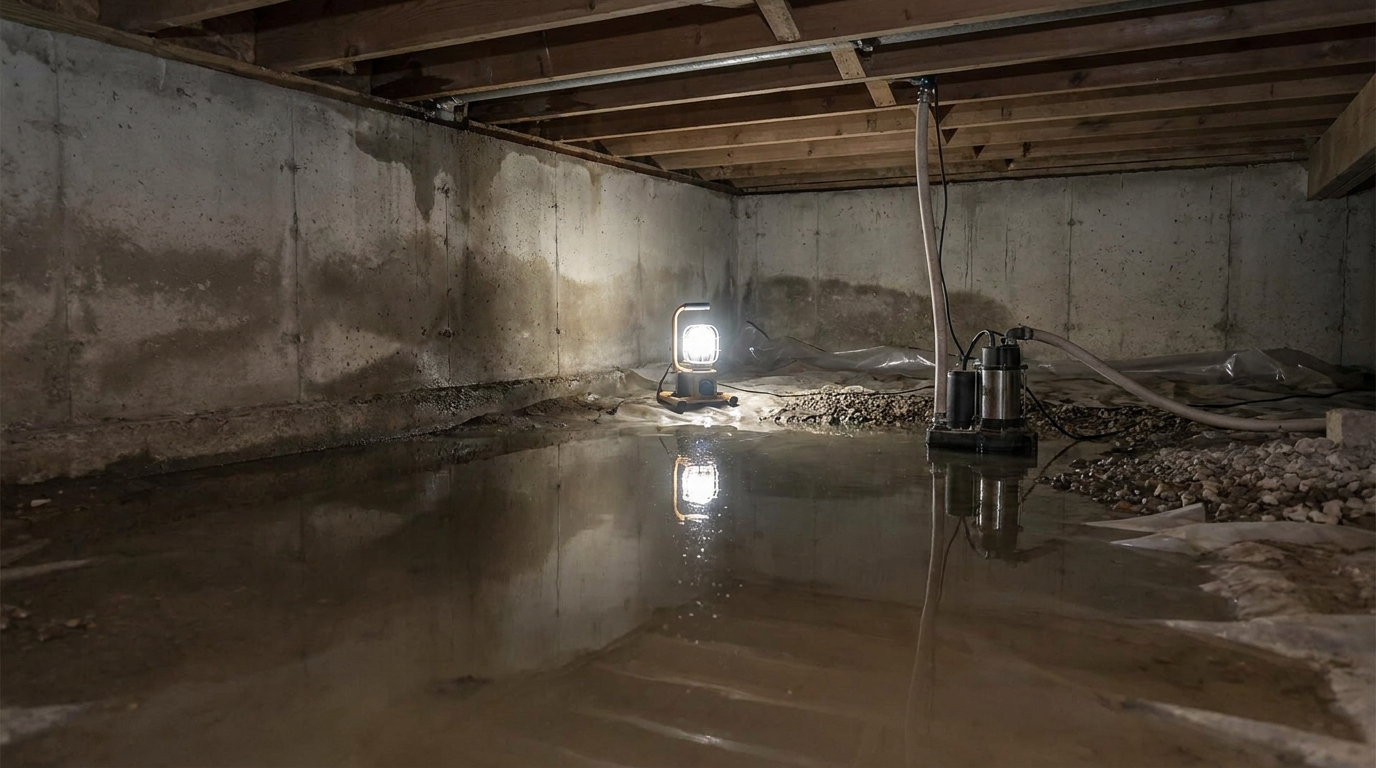
- The crawl space feels damp or humid, or you can see condensation, standing water, or water stains.
- There is visible mold, mildew, or a persistent musty smell that reaches the living space.
- You live in a humid or mixed climate where outside air brings moisture in through the vents for much of the year.
- Floors above the crawl space feel cold, soft, or bouncy, or wood framing shows early signs of rot.
- Someone in the home has allergies or asthma that could be aggravated by crawl space air.
- You plan to stay in the home for years, so the structural protection and comfort gains have time to accrue.
When it is NOT worth it (or can wait)
A good contractor will tell you when you do not need the full package. Encapsulation is often not worth it when:
- Your crawl space is already dry, well drained, and shows no moisture, mold, or odor after inspection across seasons.
- You live in a genuinely dry, arid climate where humidity is rarely a problem.
- The real issue is a specific fixable defect, such as a grading problem, a plumbing leak, or a missing downspout extension. Fix the cause first, since that may solve the problem for a fraction of the cost.
- You are selling very soon and will not recover the spend, in which case targeted repairs may make more sense than a full system.
If you are unsure which camp you are in, a moisture reading and a seasonal look at the space are far more reliable than any quote. Dryness that holds through a humid season is the signal you can wait.
How to think about payback and ROI
Encapsulation rarely pays for itself through energy savings alone. If a contractor's entire pitch is "it pays for itself on your power bill," be skeptical, because the energy savings are real but usually modest and slow to add up. The stronger financial case is risk avoidance. A single episode of structural wood rot or a serious mold remediation can cost many thousands of dollars, so for a home with an active moisture problem, encapsulation is best viewed as preventing a larger future bill rather than generating a return. Add the harder-to-price benefits of comfort, cleaner air, and a smoother home inspection, and the value proposition rests on how real your moisture problem is, not on a tidy payback number.
How to decide
- Diagnose before you buy. Insist on an inspection that identifies the moisture source. A quote without a diagnosis is guesswork.
- Fix the cause first. Grading, gutters, downspouts, and plumbing leaks should be addressed before or alongside any liner.
- Match the scope to the problem. A mildly damp space may need only a vapor barrier and better drainage, not a top-tier sealed system with a dehumidifier.
- Get two or three quotes and compare scope line by line, since pricing in this trade varies more by company than by the actual work.
- Get the warranty in writing and confirm it is transferable, which matters at resale.
Bottom line: encapsulation is worth it when you have a moisture problem it is designed to solve, and it is a poor use of money when you do not. Let the condition of your crawl space, not the strength of the sales pitch, make the call.
Frequently asked questions
Is crawl space encapsulation really worth the cost?
It is worth it when your crawl space is damp, musty, moldy, or in a humid climate, because it stops the moisture that causes rot, poor air quality, and higher repair bills. It is often not worth it for a space that is already dry and well drained in an arid climate.
How much does crawl space encapsulation cost?
As a general estimate, a basic vapor barrier runs about $1,500 to $3,000, standard encapsulation about $5,000 to $8,000, and a full system with a dehumidifier or drainage can reach $8,000 to $15,000 or more, depending on size, access, and condition.
Does encapsulation pay for itself in energy savings?
Rarely on energy savings alone. The savings are real but usually modest. The stronger financial case is avoiding costly wood rot and mold repairs, plus gains in comfort and air quality.
Can I skip encapsulation if my crawl space is dry?
Often yes. If the space stays dry and odor-free through a humid season and shows no mold, you may only need good drainage and basic moisture control rather than a full sealed system.
Should I fix drainage or grading before encapsulating?
Yes. Fixing the moisture source first, such as grading, gutters, downspouts, or a plumbing leak, is essential, since a liner installed over an unsolved water problem will not hold up.
Not sure if your crawl space actually needs it?
Match with a vetted local crawl space pro for an honest moisture inspection and quote, free.
Get a free quoteCost ranges are typical U.S. figures compiled by SealedCrawl for general guidance and vary by region, crawl space size, moisture source and contractor. Always get a written on-site assessment.