Crawl Space Mold Removal Cost: What to Expect and Why
Finding mold in your crawl space is unsettling, and the first question most homeowners ask is what it will cost to make it go away. The honest answer is that it depends on how much mold there is, how far it has spread, and what caused it in the first place. This guide walks through typical price ranges, what actually drives the number on your quote, the risks worth taking seriously, how remediation is done, and how to stop the mold from coming back.
Crawl space mold removal cost by severity
The single biggest factor is how much area is affected and how deeply the mold has penetrated materials like floor joists and subflooring. The table below shows typical U.S. ranges to help you sanity-check a quote. Treat these as general estimates, not firm prices, since every crawl space and region is different.
| Severity / scope | Typical cost | What it usually involves |
|---|---|---|
| Small surface patch (under ~100 sq ft) | $500 - $1,500 | Cleaning visible growth on accessible surfaces |
| Moderate spread (~100 to 300 sq ft) | $1,500 - $3,500 | Cleaning, HEPA vacuuming, treating wood framing |
| Extensive growth (300+ sq ft) | $3,500 - $6,000+ | Full containment, material removal, drying |
| Structural involvement | $6,000 - $15,000+ | Replacing rotted joists or subfloor, plus remediation |
What drives the price
Two crawl spaces of the same size can produce very different quotes. Here is what moves the number:
- Size and spread. Remediation is often priced by square footage, so a larger affected area costs more. Mold hidden inside insulation or wrapped around framing is also harder to reach.
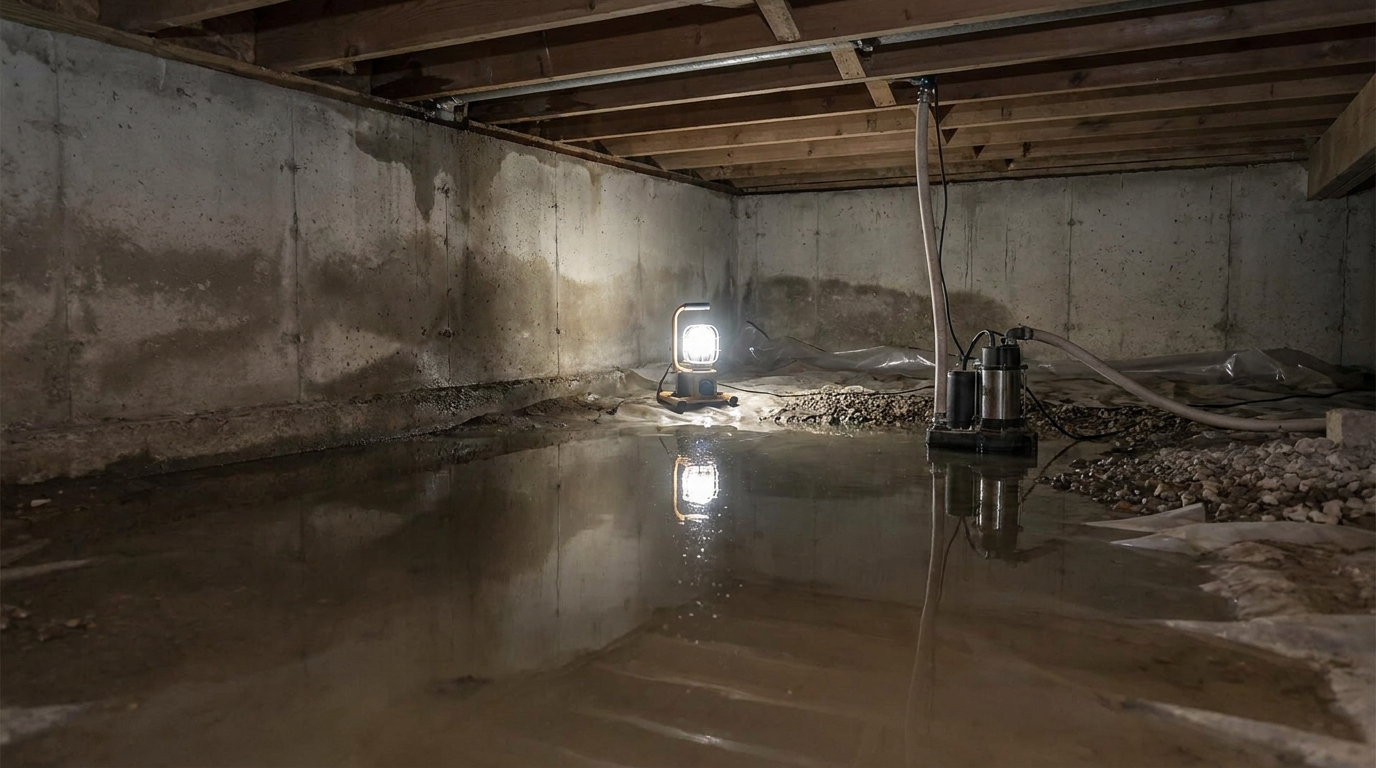
- The moisture source. Mold is a symptom. If a plumbing leak, poor drainage, or a high water table is feeding it, that problem has to be fixed too, or the mold returns. Source repairs can add meaningfully to the total.
- Accessibility. A tight crawl space with low clearance is slow and physically demanding to work in, which raises labor cost compared with a tall, open one.
- Material removal. Saturated insulation, vapor barriers, or mold-damaged wood often has to be removed and hauled away, adding disposal and replacement costs.
- Structural repairs. If moisture has caused wood rot in joists or the subfloor, carpentry is a separate and often larger expense than the cleaning itself.
- Testing. Pre- and post-remediation air or surface testing by an independent lab typically adds a few hundred dollars but gives you verification that the work succeeded.
- Region and demand. Labor rates vary widely across the country, and prices tend to run higher in areas with humid climates where crawl space moisture is a constant battle. Seasonal demand after a wet stretch can nudge quotes up as well.
Because of all this variation, it is worth getting two or three itemized quotes rather than accepting the first number. A good estimate separates the remediation work from the moisture repair and from any structural carpentry, so you can see exactly what you are paying for and compare like with like.
Health and structural risks worth understanding
It helps to be clear-eyed here rather than alarmed. For most healthy people, limited mold in a sealed-off crawl space is not an emergency, and the goal is sensible, timely cleanup rather than panic. That said, there are real reasons not to ignore it.
On the health side, mold can release spores that aggravate allergies and asthma, and some people are more sensitive than others, including those with respiratory conditions or weakened immune systems. Because air can move from a crawl space up into living areas, musty odors and spores do not always stay put. If anyone in the home has unexplained respiratory symptoms, it is worth mentioning to a doctor. We are careful not to overstate this: reputable health agencies note that the main concern with indoor mold is its potential to trigger allergic and respiratory reactions, and the sensible response is to remove it and control moisture.
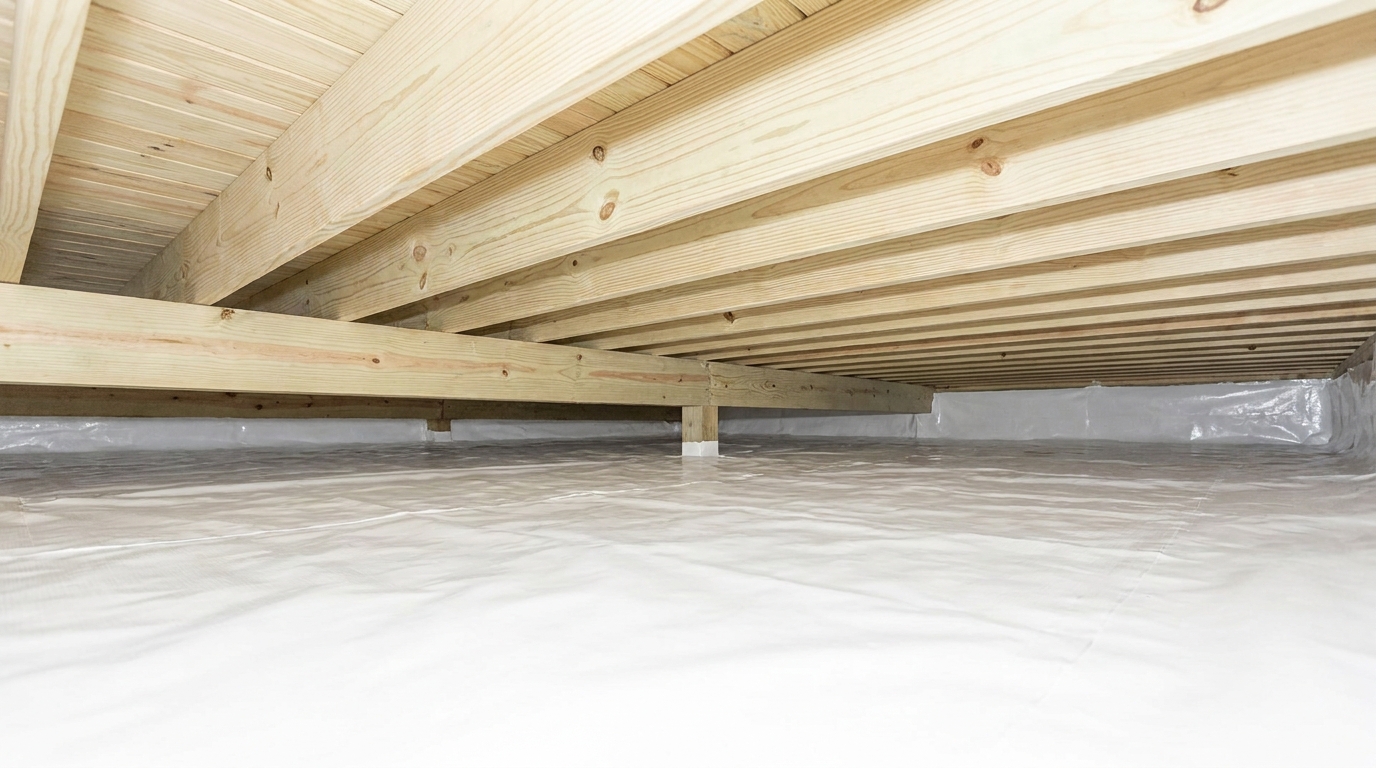
The structural risk is more straightforward. The same moisture that grows mold also feeds wood-decay fungus, which can weaken floor joists, girders, and subflooring over time. Left unaddressed for years, that can lead to soft or sagging floors above. Catching and correcting the moisture early is almost always cheaper than replacing framing later.
The remediation process, step by step
Knowing what a pro actually does helps you read a quote and spot anything missing. A typical crawl space remediation follows these stages:
- Inspection and assessment. The contractor identifies the extent of growth and, critically, the moisture source. A quote without a diagnosis of the cause is a red flag.
- Containment. Plastic sheeting and negative air pressure keep spores from spreading to the rest of the home during the work.
- Removal of affected materials. Ruined insulation, old vapor barriers, and badly damaged wood are bagged and removed.
- Cleaning and treatment. Surfaces are HEPA-vacuumed and scrubbed, and wood framing may be treated with an antimicrobial. Heavily embedded growth on wood is sometimes removed by sanding or media blasting.
- Drying. The space is dried thoroughly, because residual moisture undoes everything else.
- Prevention and verification. Finally, the moisture source is corrected and, ideally, the work is verified. This last step is what separates a lasting fix from a temporary one.
How to prevent regrowth
This is where your money either lasts or gets wasted. Cleaning mold without controlling moisture is like mopping the floor with the tap still running. The two most effective long-term measures are:
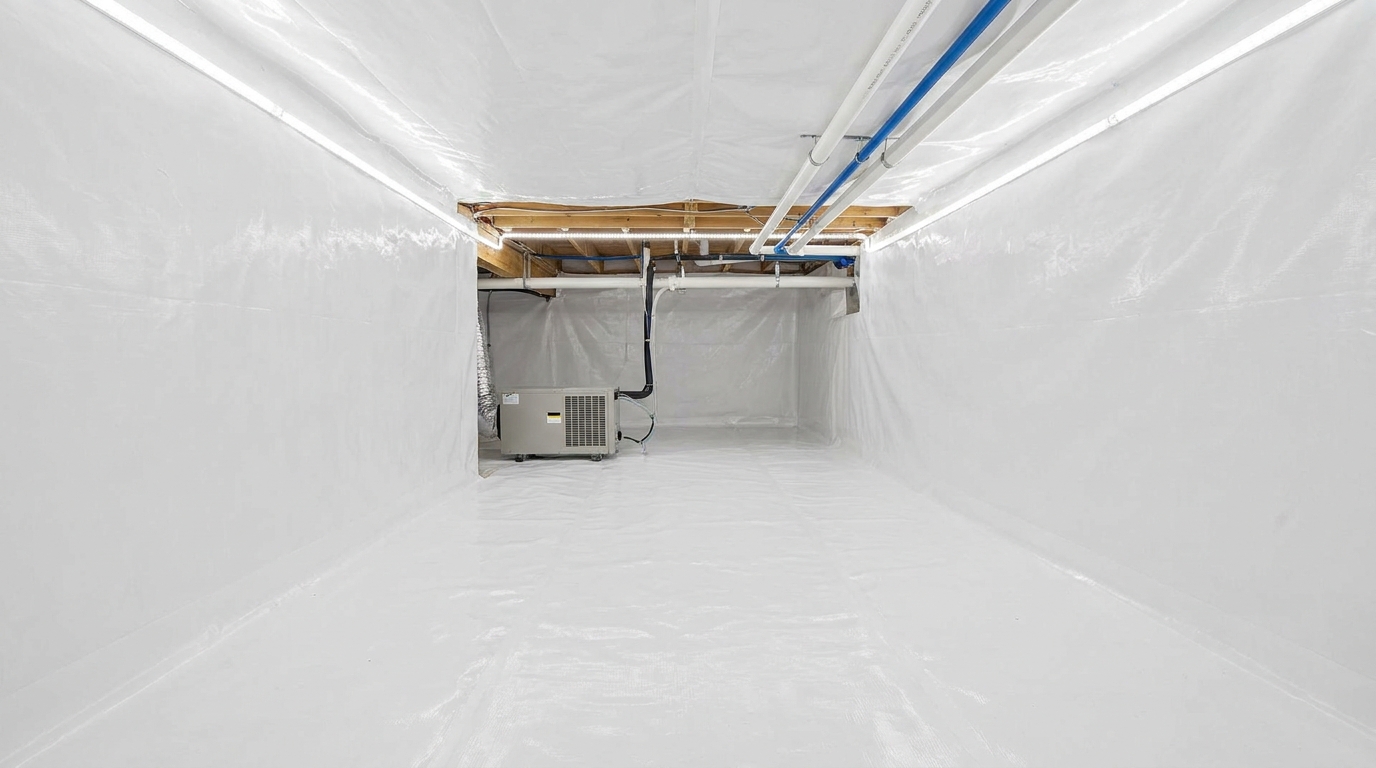
- Encapsulation. A heavy-duty vapor barrier is laid across the floor and up the walls, sealing out ground moisture. Full crawl space encapsulation is a larger investment, commonly $3,000 to $8,000 depending on size, but it is the most durable defense and often pays for itself by protecting the structure and improving energy efficiency.
- A crawl space dehumidifier. A dedicated unit holds humidity below the level mold needs to grow, typically for a few hundred to a couple thousand dollars installed. It pairs well with encapsulation.
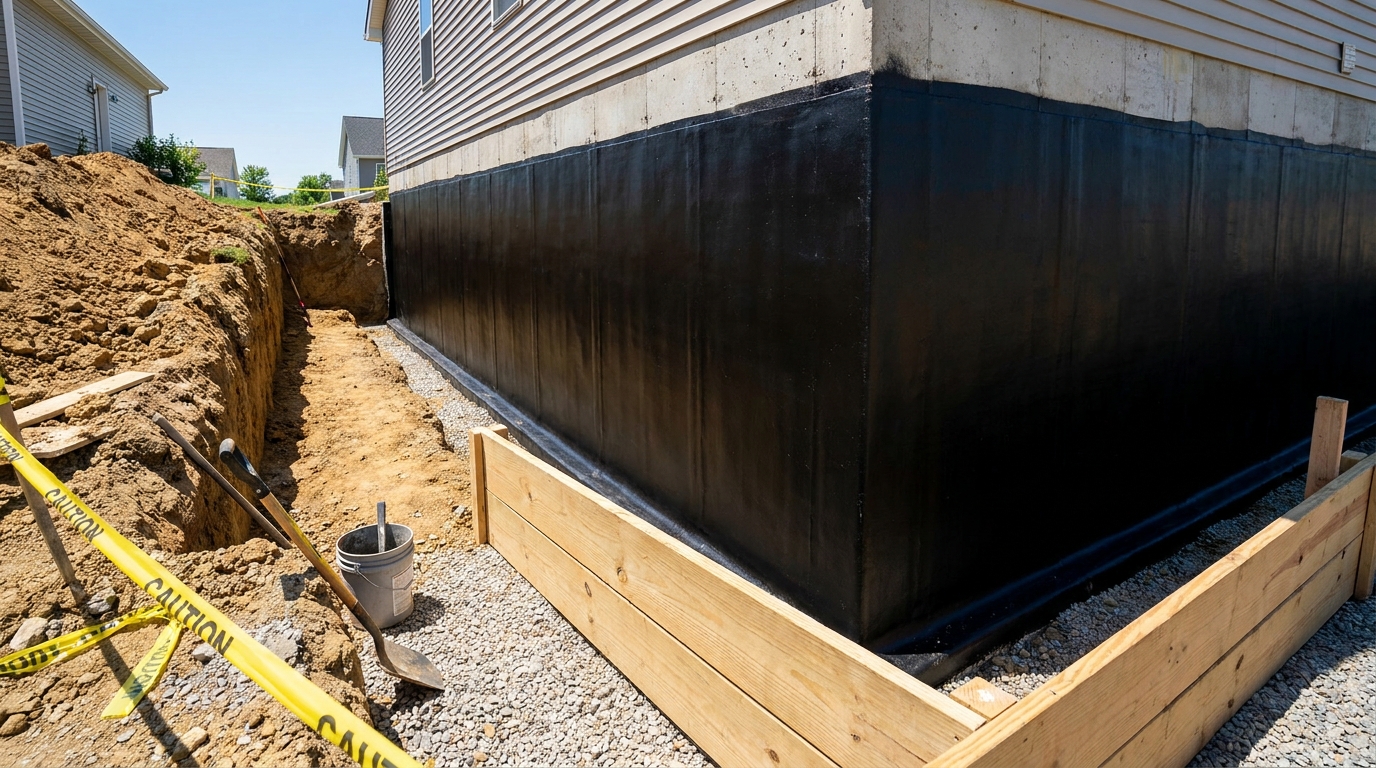
Simpler habits help too: fix plumbing leaks promptly, direct downspouts and grading away from the foundation, and keep an eye on humidity after heavy rain. Addressing drainage outside is sometimes the real fix. If your crawl space has vents, talk with your contractor about whether sealing and conditioning the space makes more sense for your climate, since in many humid regions open vents let in moist air that condenses and feeds mold rather than drying the space out.
A reasonable way to think about the spend is in two buckets: the one-time cost of removing what is there, and the smaller ongoing investment in keeping humidity controlled. Homeowners who skip the second bucket are the ones most likely to pay for remediation twice.
DIY versus hiring a professional
A small, clearly defined patch of surface mold in an accessible crawl space can be a reasonable DIY job. If you go that route, wear proper protection, including an N95 or better respirator, gloves, and eye protection, seal the area off from the rest of the home, and be realistic about whether you have actually found and fixed the moisture source. Guidance from public health agencies suggests that modest areas, often cited as under roughly ten square feet, can be handled by a homeowner.
Beyond that, a professional is the better call. Large or recurring growth, mold inside insulation or framing, any sign of wood rot, or a crawl space you cannot work in safely all point to hiring out. A qualified remediation company brings containment, the right equipment, and the ability to diagnose the moisture problem, and reputable firms will verify their work. If you or a household member has a respiratory condition, lean toward professional help regardless of the size.
Whatever you choose, remember the core principle: remove the mold, then remove the reason it grew. That is what turns a cost into a solution.
Frequently asked questions
How much does crawl space mold removal cost?
Most projects run $1,500 to $4,000, with many homeowners around $2,500. A small surface patch caught early can be a few hundred dollars, while extensive growth tied to a moisture problem or structural repairs can reach $6,000 or more. These are typical U.S. estimates and vary by region and contractor.
What makes crawl space mold removal more expensive?
The biggest drivers are the size of the affected area, how deeply the mold has penetrated wood and insulation, how accessible the crawl space is, and whether the underlying moisture source and any rotted framing need to be repaired. Independent testing can add a few hundred dollars.
Is crawl space mold dangerous to my health?
For most healthy people, limited mold sealed off in a crawl space is not an emergency, but spores can aggravate allergies and asthma, especially for sensitive individuals. Because air can travel from a crawl space into living areas, it is worth removing promptly and mentioning any unexplained respiratory symptoms to a doctor.
How do I stop crawl space mold from coming back?
Control moisture. The most durable measures are full encapsulation with a vapor barrier, commonly $3,000 to $8,000, and a dedicated crawl space dehumidifier. Also fix leaks and direct water away from the foundation. Cleaning mold without fixing moisture almost always leads to regrowth.
Can I remove crawl space mold myself?
A small, accessible surface patch, often cited as under about ten square feet, can be a reasonable DIY job with proper respirator, gloves, eye protection and containment. Larger or recurring growth, mold in framing or insulation, wood rot, or any respiratory concerns in the home are best handled by a professional.
Mold in your crawl space?
Match with a vetted local crawl space pro for an honest inspection and quote, free.
Get a free quoteCost ranges are typical U.S. figures compiled by SealedCrawl for general guidance and vary by region, severity, moisture source and contractor. They are estimates, not quotes. Always get a written on-site assessment, and consult a doctor about any health concerns.