Crawl Space Repair Cost: What Each Type of Fix Really Runs
Few home repairs feel as murky as the crawl space. It is dark, you rarely go down there, and when something goes wrong the quotes can swing from a few hundred dollars to well over twenty thousand. That spread is not a scam by itself, because crawl space work covers everything from laying a plastic sheet to jacking up a sagging floor. This guide breaks down what each type of repair typically costs, what actually drives the price, how to tell you need work at all, and how to vet the contractor before you sign anything.
Crawl space repair cost by type
The single biggest factor in your price is which problem you are actually solving. The table below shows typical U.S. ranges for the most common repairs. Treat them as planning estimates, not quotes.
| Repair type | Typical cost | What it addresses |
|---|---|---|
| Vapor barrier (replace) | $1,500 - $4,000 | Ground moisture and humidity |
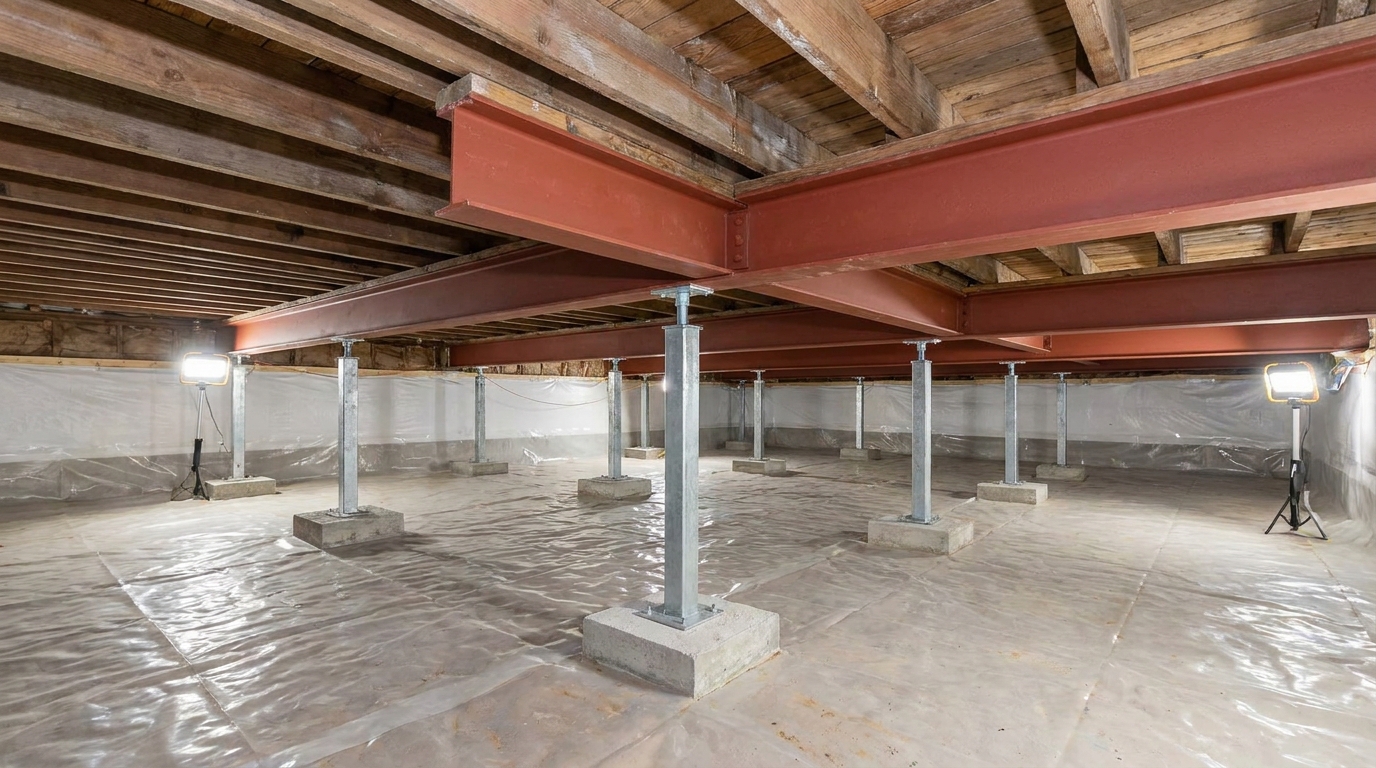
| Structural / floor jacks (per support post) | $1,000 - $3,000 | Sagging, bouncy floors |
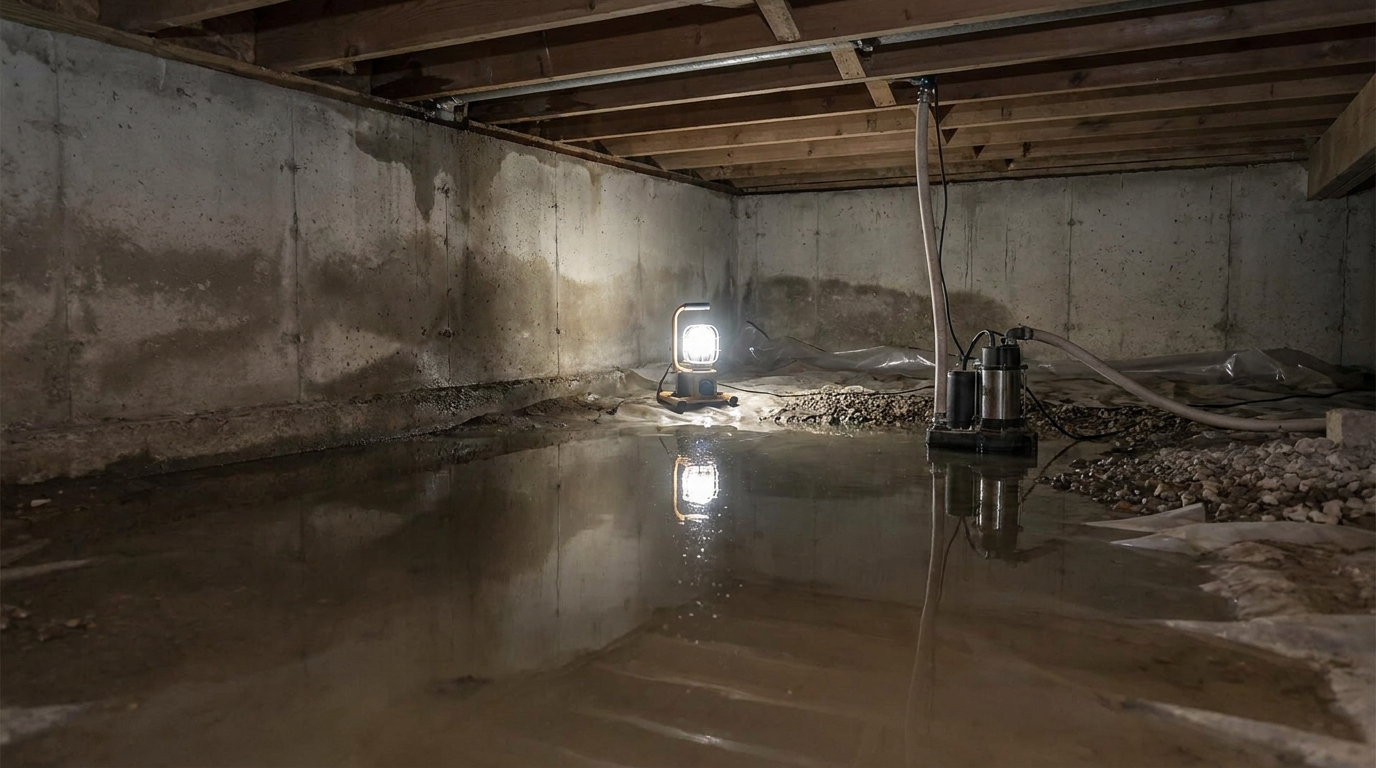
| Moisture control / drainage + sump | $2,000 - $6,000 | Standing water, chronic damp |
| Mold remediation | $2,000 - $6,000 | Mold on joists and subfloor |
| Insulation (remove & replace) | $1,500 - $4,500 | Cold floors, high energy bills |
| Full encapsulation | $8,000 - $15,000+ | Sealing the whole space long term |
What each repair actually involves
Vapor barrier. A vapor barrier is heavy plastic sheeting laid over the dirt floor to stop ground moisture from evaporating up into the space. A basic replacement is one of the cheaper fixes. A thicker, taped, wall-to-wall barrier costs more but lasts far longer and is the foundation of any serious moisture strategy.
Structural support and jacks. If your floors sag or bounce, the support posts or beams below may be failing or inadequately spaced. Adjustable steel jacks are installed to lift and stabilize the floor framing. Pricing is usually per post or per beam, so the cost scales with how much of the structure is affected. Severe settlement that involves the footings costs considerably more.
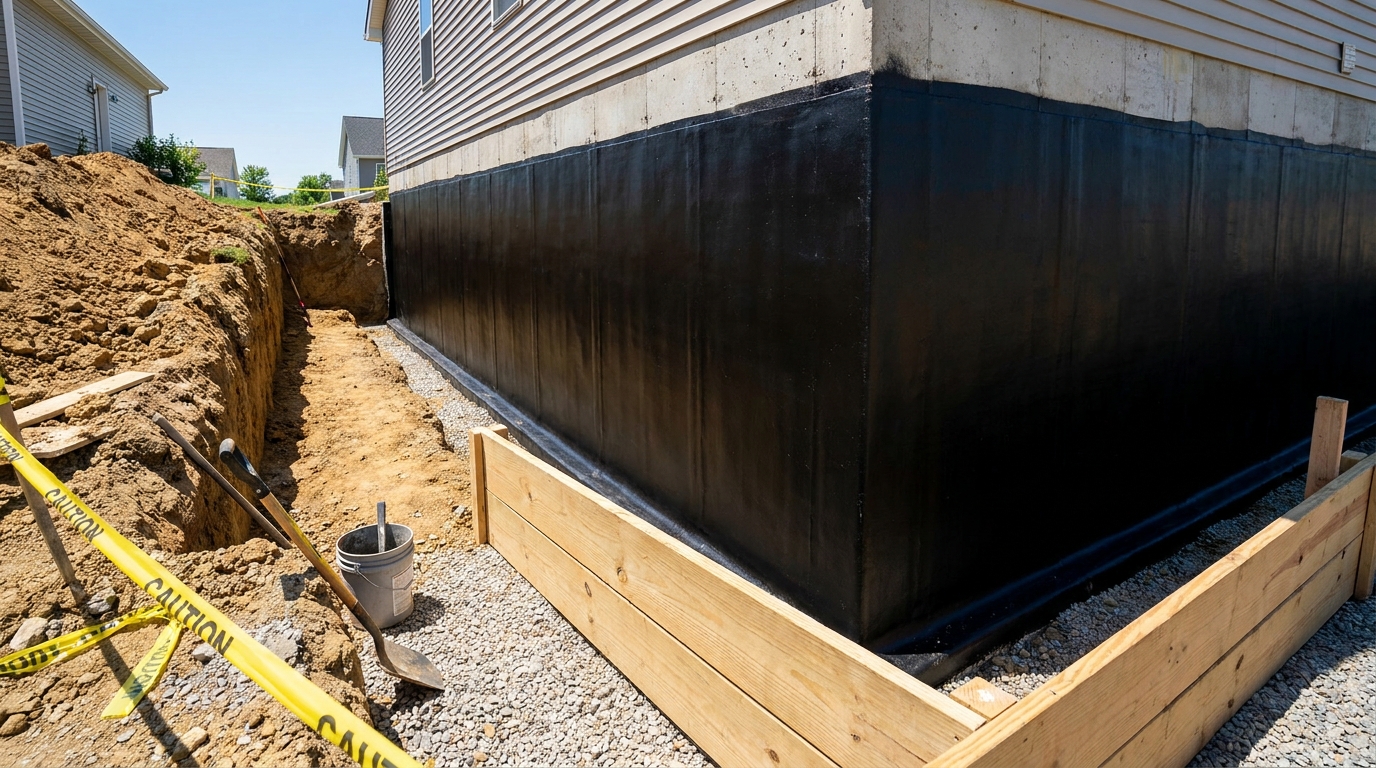
Moisture control and drainage. Where water actually pools, a barrier alone is not enough. Contractors add interior drainage and a sump pump to collect and remove water, sometimes with a dehumidifier sized for the space. This is the difference between hiding a symptom and controlling the source.
Mold remediation. Persistent moisture breeds mold on joists and the subfloor. Remediation means removing the contaminated material, cleaning and treating the wood, and critically, fixing the moisture that caused it. Paying to remove mold without solving the water problem almost guarantees it returns.
Insulation. Wet or fallen insulation stops working and can trap moisture against the framing. Replacing it, and in many cases moving it to the right location for your climate, improves comfort and can lower heating and cooling bills.
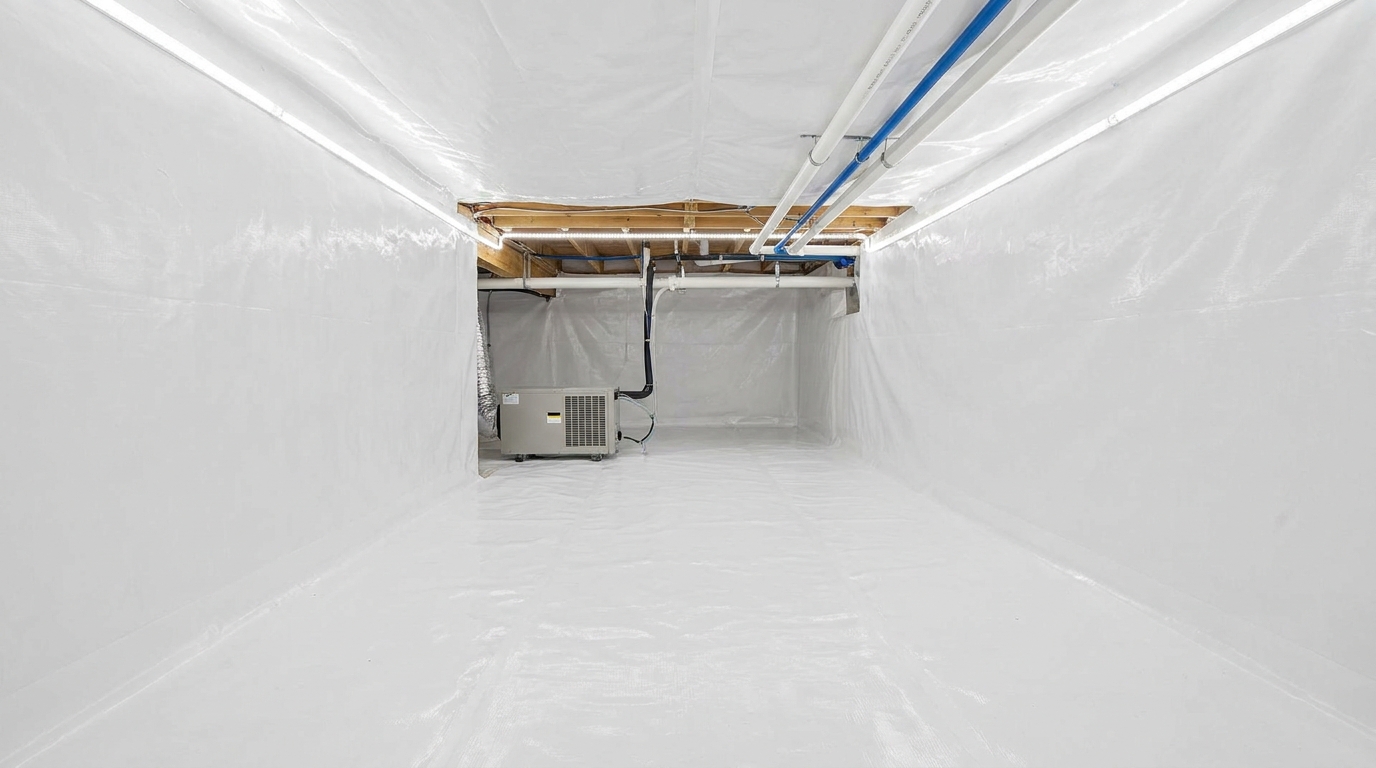
Encapsulation. The most complete fix seals the entire crawl space with a thick liner on the floor and walls, often paired with a dehumidifier and sealed vents. It is the most expensive option, but for homes with ongoing moisture it is frequently the one that finally ends the cycle of repeat repairs.
What drives the price up or down
- Square footage and height. Bigger crawl spaces need more material, and a space you cannot stand or crawl through comfortably costs more in labor.
- Access. A tight hatch, low clearance, or debris on the floor all slow the crew down and raise the bill.
- Severity. Surface damp is cheap. Standing water, rotted framing, or active structural settlement is not.
- Materials. A thin builder-grade liner versus a heavy reinforced one is a real cost difference, and usually a real durability difference too.
- Add-ons. Sump pumps, dehumidifiers, and battery backups each add to the total but are often what makes the fix actually hold.
- Region. Labor rates and climate demands vary a lot across the country, which is why any single national number is only a starting point.
Signs you need crawl space repair
You do not have to climb under the house to spot trouble. The most common warning signs show up in your living space.
- Sagging, bouncy, or uneven floors. A floor that gives when you walk or slopes toward one corner often points to failing support below.
- A musty or earthy smell. Because air moves from the crawl space up into your home, a persistent musty odor usually means moisture or mold underneath.
- Rising energy bills. Wet or missing insulation and unsealed vents let conditioned air escape, so your system works harder.
- Humidity, condensation, or buckling floors. Hardwood that cups or a clammy feel on the main level can trace back to crawl space humidity.
- Visible water, pests, or standing moisture on the rare occasion you do look down there.
One sign on its own may be minor. Several together are worth a professional inspection before the damage compounds.
Can you repair a crawl space yourself?
Some crawl space tasks are reasonable for a confident homeowner, and some are not. Laying a basic vapor barrier, clearing debris, or swapping out fallen insulation are jobs many people handle themselves and save real money doing. The trade-off is that a DIY barrier is often thinner and not sealed as tightly as a professional installation, so it may not last as long.
Structural jacking, drainage systems, mold remediation, and full encapsulation are a different matter. Lifting floor framing without the right understanding can crack drywall or make settlement worse, and disturbing mold without containment can spread spores through the house. These jobs are best left to a licensed pro who stands behind the work with a warranty. A useful rule of thumb is that if the repair touches the structure, the water source, or your air quality, the cost of getting it wrong usually dwarfs the labor you would save.
How to budget for the work
Because the ranges are so wide, it helps to think in tiers rather than a single number. Budget a few thousand dollars for straightforward moisture and barrier work, the mid five figures for a job that combines drainage, a pump, and remediation, and the top of the range for a full encapsulation on a larger or badly deteriorated space. Build in a cushion, since crews occasionally find hidden rot or water once they are underneath. Many contractors offer financing on larger projects, which can make a thorough one-time fix more manageable than patching the same problem year after year.
How to vet a crawl space contractor
Because pricing varies so much by company, who you hire matters as much as what you buy. A few steps protect you from overpaying and from fixes that do not last.
- Insist on a real diagnosis. A trustworthy pro inspects the space and identifies the moisture or structural source before quoting. A price with no stated cause is a guess.
- Confirm licensing and insurance. Ask for proof of both, and for structural work, confirm the company does this specific type of repair regularly.
- Get two or three written quotes. Compare not just the totals but what each includes, since one cheap bid may skip the drainage or the thicker liner that actually solves the problem.
- Be cautious of one-size-fits-all pitches. If every home gets sold the same expensive encapsulation, get a second opinion. The right fix is the least invasive one that solves your actual source.
- Get the warranty in writing and ask whether it transfers to a new owner, which matters at resale.
- Read reviews and ask for local references. Crawl space work is hidden, so a track record is one of your best signals of quality.
A good contractor will welcome these questions. The goal is simple: pay for the repair your home genuinely needs, done once and done right, instead of the most expensive option on the shelf.
Frequently asked questions
How much does crawl space repair cost?
Most crawl space repairs run $1,500 to $15,000 depending on the problem. A vapor barrier or basic moisture control is often $1,500 to $4,000, structural jacks run $1,000 to $3,000 per support, and a full encapsulation can reach $8,000 to $15,000 or more. These are typical U.S. estimates that vary by region and condition.
What is the difference between a vapor barrier and encapsulation?
A vapor barrier is plastic sheeting on the dirt floor that slows ground moisture, while encapsulation seals the entire crawl space, floor and walls, usually with a dehumidifier and sealed vents. Encapsulation costs more but is a far more complete, long-term moisture fix.
Why do my floors feel bouncy or sloped?
Bouncy or sloping floors usually point to failing or inadequate support posts and beams in the crawl space. A contractor can install adjustable steel jacks to lift and stabilize the floor framing, typically priced per support.
Does a musty smell mean I need crawl space repair?
Often yes. Air moves from the crawl space up into your home, so a persistent musty or earthy smell usually signals moisture or mold underneath. It is worth a professional inspection to find and fix the source.
Do I need to fix the moisture source before removing mold?
Yes. Removing mold without correcting the water or humidity that caused it almost guarantees it returns. A proper repair treats the mold and solves the underlying moisture, which is why diagnosis matters before any quote.
Not sure what your crawl space actually needs?
Match with a vetted local crawl space pro for an honest inspection and a clear, written quote, free.
Get a free quoteCost ranges are typical U.S. figures compiled by SealedCrawl for general guidance and vary by region, crawl space size, severity and contractor. Always get a written on-site assessment.