Encapsulated vs Vented Crawl Space: Which Is Right for Your Home?
For decades, building codes told us crawl spaces needed open vents to stay dry. Today many builders, remodelers and building scientists do the opposite: they seal the crawl space off from outside air entirely. If you are staring at a musty, humid crawl space and a stack of conflicting advice, this guide explains how vented and encapsulated crawl spaces actually work, why the thinking changed, and how to decide which approach fits your home and climate.
How a vented crawl space works
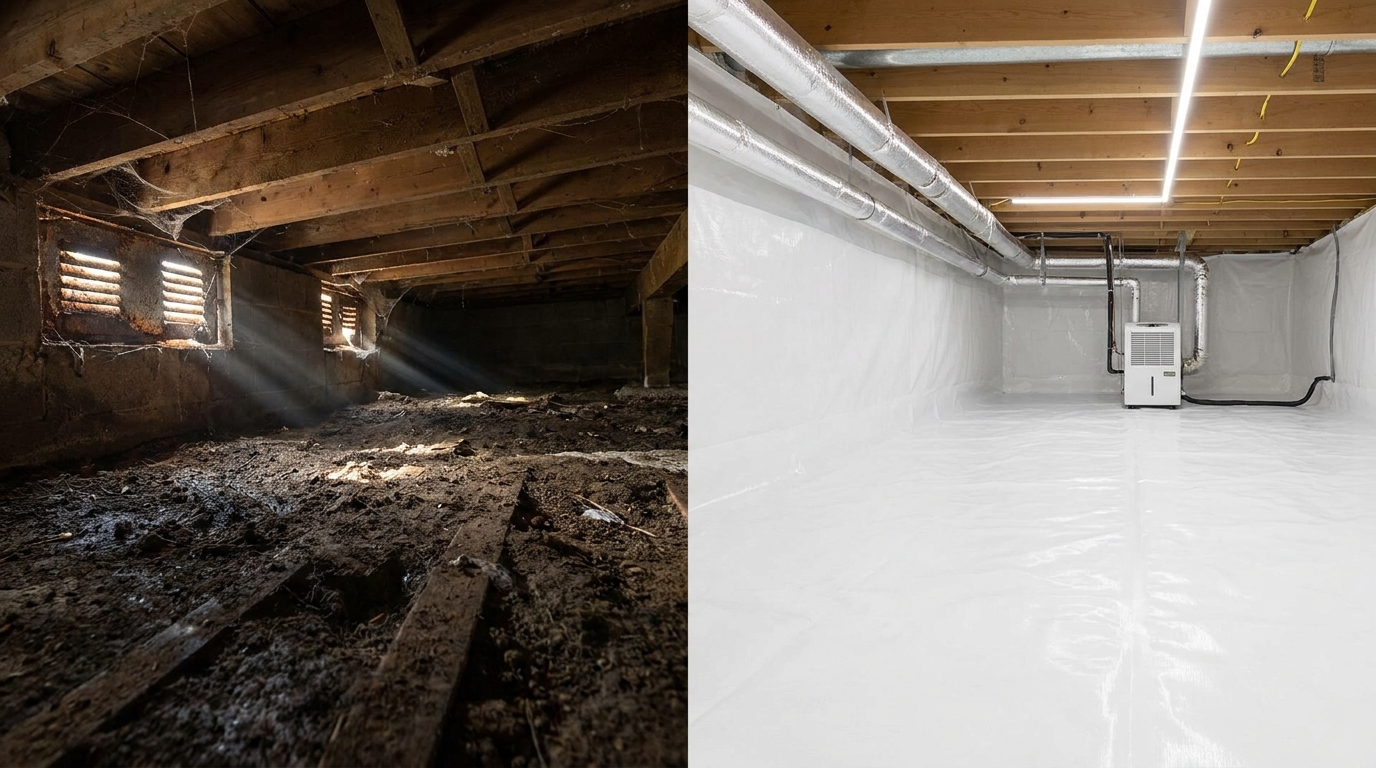
A vented crawl space has openings in its foundation walls that let outdoor air flow through. The original logic was simple: moving air carries moisture away, so vents should keep the space dry. For much of the 20th century this was the default, and most building codes required a set amount of vent area relative to the crawl space floor.
The problem is that the theory often works backward in humid weather. On a hot, muggy summer day, warm outside air flows into the cool crawl space and the moisture in it condenses on cold surfaces such as ducts, pipes and wood framing, exactly the way a cold drink sweats. Instead of drying the space, the vents can feed it moisture. Over time that can mean damp insulation, musty odors, mold growth and, in bad cases, rot or pest problems in the wood structure above.
How an encapsulated crawl space works
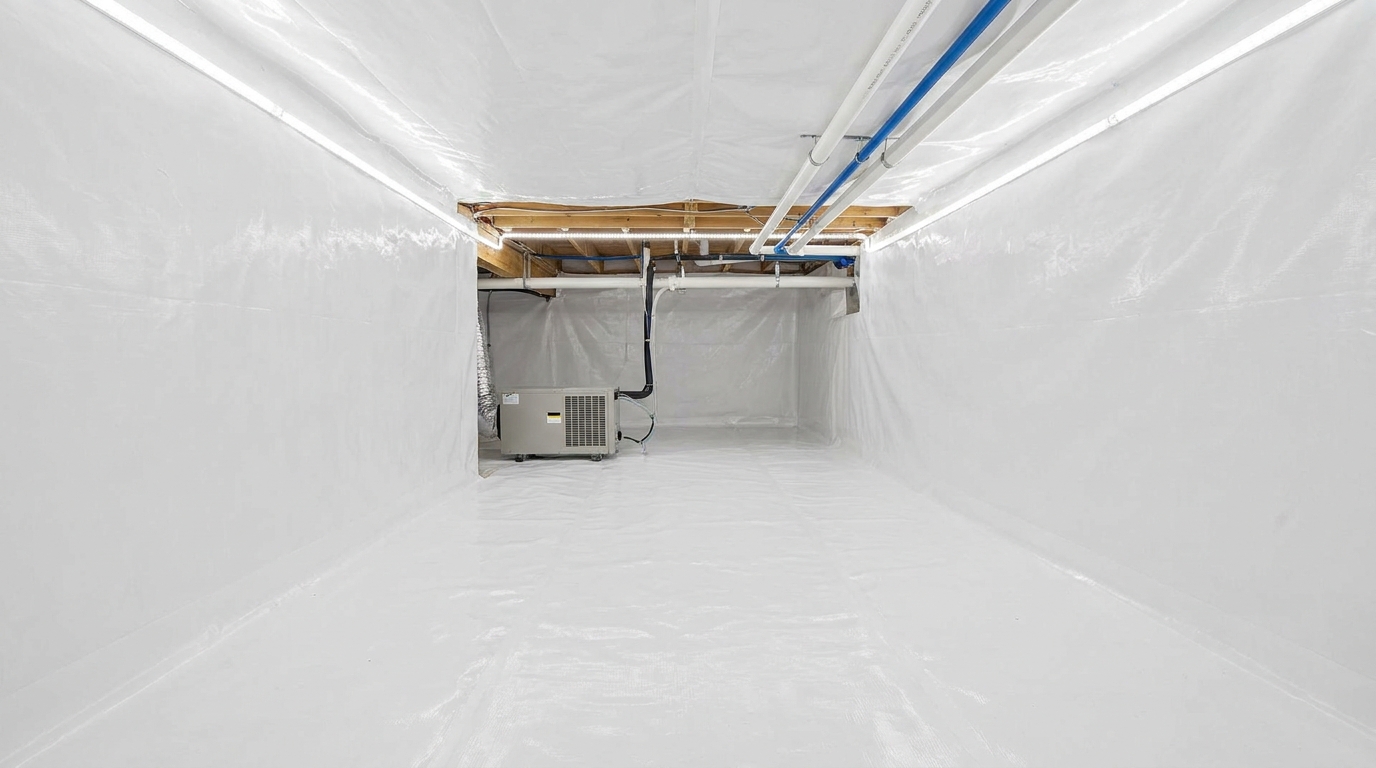
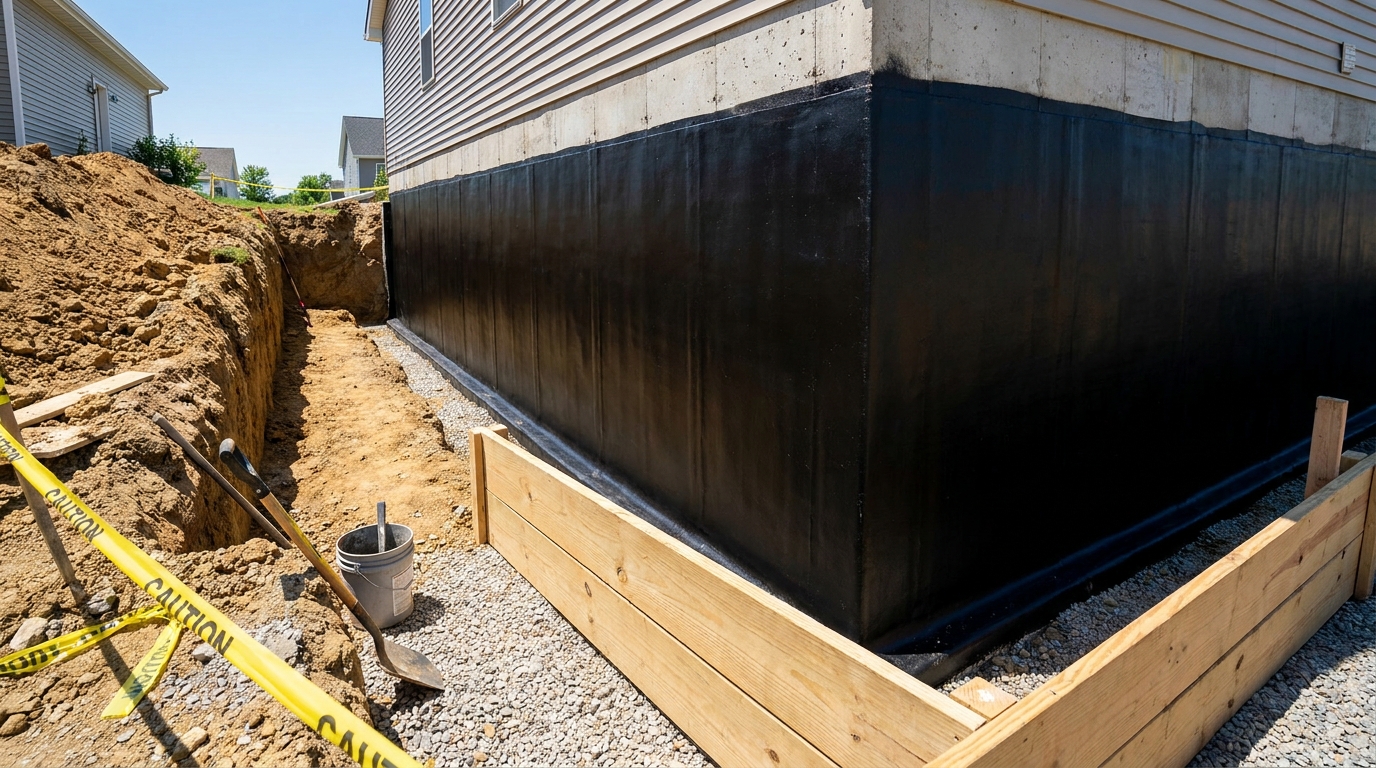
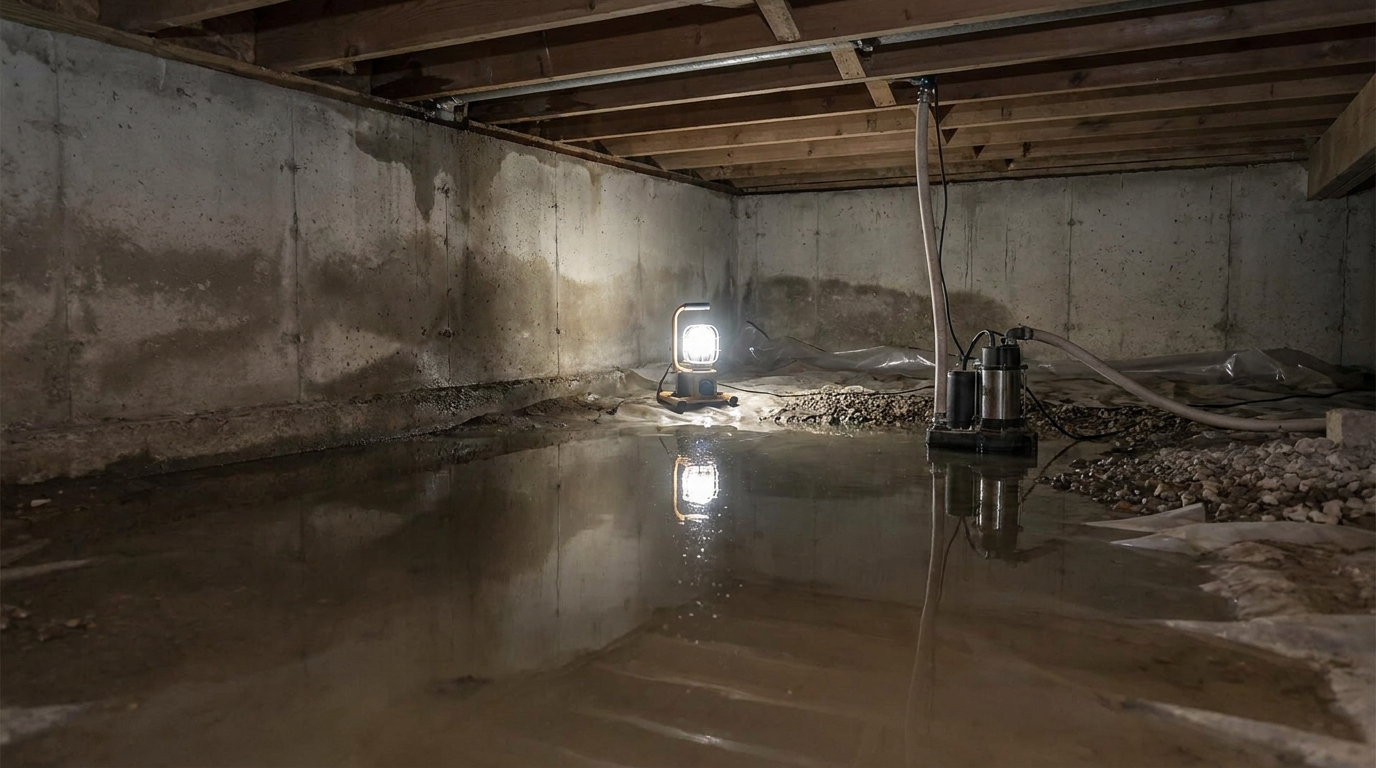
Encapsulation takes the opposite approach: seal the crawl space off from the outside and control the air inside it. A typical system includes a thick polyethylene vapor barrier across the floor and up the walls, sealed seams, closed and sealed vents, insulation on the walls rather than the ceiling, and a way to manage humidity, most often a dedicated crawl space dehumidifier. Some systems also tie in a drainage system or sump pump if groundwater is a concern.
The goal is a clean, dry, controlled space that behaves more like part of the house than like the outdoors. Because the crawl space air is no longer swinging with outdoor humidity, condensation and mold have far less to work with. Many homeowners also notice warmer floors in winter and a drop in that damp, earthy smell that used to drift upstairs.
It is worth separating the two jobs encapsulation does. The vapor barrier blocks moisture rising from the soil, which is a constant source even in dry weather. The sealing and humidity control handle moisture in the air itself. A thin plastic sheet laid loosely over the dirt addresses only the first job and is sometimes called a crawl space liner rather than full encapsulation. Full encapsulation does both, which is why it holds up in climates where a ground cover alone would not.
Vented vs encapsulated: side by side
| Factor | Vented crawl space | Encapsulated crawl space |
|---|---|---|
| How it manages moisture | Relies on outside airflow | Seals out air, controls humidity inside |
| Humid-climate performance | Can pull in moist air and condense | Generally stays drier and more stable |
| Energy efficiency | Lets outside temperatures in | Warmer floors, often lower HVAC load |
| Upfront cost | Lower | Higher |
| Ongoing needs | Minimal, but monitor for damp | Dehumidifier power and occasional service |
| Mold and pest risk | Higher in humid regions | Lower when sealed properly |
| Best suited to | Dry climates, tight budgets | Humid or mixed climates, moisture problems |
Moisture, energy and air-quality differences
The core difference is control. A vented crawl space is at the mercy of the weather, which is fine in a genuinely dry climate but risky where summers are humid. An encapsulated crawl space holds steady conditions year round, which is why it tends to win on moisture control.
Energy matters too. In a vented crawl space, winter air chills the floor above and any ductwork or pipes down there, so your heating works harder and floors feel cold. Sealing and insulating the space keeps those surfaces closer to indoor temperature, which can trim heating and cooling costs, though the exact savings depend heavily on your home, climate and energy prices.
Air quality is the quieter benefit. A large share of the air in a typical home rises up from the crawl space, so damp, moldy crawl space air can affect the air you breathe. Drying and sealing the space often reduces musty odors and the humidity that fuels mold.
There is a maintenance trade-off to be honest about. A vented crawl space has almost nothing to run, but it needs occasional checks for dampness, blocked vents and pest entry. An encapsulated space is low maintenance day to day, but the dehumidifier uses electricity and needs periodic cleaning, and the sealed liner should be inspected for tears or standing water once in a while. Neither system is truly set and forget.
Climate and building-code considerations
Climate is the single biggest factor. In hot, humid regions such as much of the Southeast and Gulf Coast, venting frequently makes crawl spaces wetter, and sealed, conditioned crawl spaces have become common. In dry climates, a well-built vented crawl space with a good ground vapor barrier can perform acceptably.
Modern building codes have caught up with the science. Current versions of the International Residential Code allow unvented, conditioned crawl spaces as an accepted approach, provided they meet requirements such as a sealed ground vapor barrier and a method of controlling humidity. Because codes are adopted and amended locally, the specific rules, insulation levels and whether a dehumidifier or conditioned air supply is required vary by jurisdiction. Always confirm the current requirements with your local building department before starting work.
Cost difference and which to choose
Venting is cheaper because, in a new build or an existing home, it mostly means leaving openings in place and laying a basic ground cover. Encapsulation is a bigger project involving a heavy sealed liner, wall insulation, air sealing and usually a dehumidifier.
As a rough guide, full crawl space encapsulation commonly runs somewhere in the range of $5,000 to $15,000, with simpler jobs lower and large, wet or hard-to-access crawl spaces higher. These are estimates only and vary widely by crawl space size, condition, local labor rates and whether drainage or a sump pump is needed. A basic vented setup with a ground vapor barrier is far less expensive. Get a written, on-site quote before budgeting.
So which should you choose? If you live in a humid or mixed climate, have recurring moisture, mold or odor problems, or want warmer floors and better air quality, encapsulation usually pays off over the long run. If you are in a dry climate with a crawl space that has stayed dry for years and a tight budget, a well-maintained vented crawl space may be enough. Either way, the right first step is a professional moisture assessment that identifies where your water and humidity are coming from, because the best system is the one matched to your actual conditions.
Frequently asked questions
Is an encapsulated crawl space better than a vented one?
In most humid and mixed U.S. climates, encapsulation controls moisture better because it seals out damp outside air instead of relying on it. In genuinely dry climates, a well-built vented crawl space can still perform acceptably. The best choice depends on your climate, moisture history and budget.
How much does crawl space encapsulation cost?
Full encapsulation commonly runs an estimated $5,000 to $15,000, with simple jobs lower and large, wet or hard-to-access spaces higher. Cost depends on size, condition, local labor and whether drainage or a sump pump is needed. Always get a written on-site quote.
Does an encapsulated crawl space need a dehumidifier?
Usually yes. Once the space is sealed, a dedicated crawl space dehumidifier is the most common way to keep humidity in check, though some systems instead supply a small amount of conditioned air. Local code may specify the required humidity control method.
Why did building codes stop requiring crawl space vents?
Research showed that in humid climates, outside air flowing through vents often added moisture rather than removing it, leading to condensation and mold. Modern codes now also allow sealed, conditioned crawl spaces when they meet vapor barrier and humidity control requirements.
Can I convert my existing vented crawl space to encapsulated?
Yes. Converting a vented crawl space involves cleaning and drying it, addressing any standing water, sealing the vents, installing a vapor barrier and wall insulation, and adding humidity control. A professional should first confirm there are no active water or drainage issues to resolve.
Not sure whether to seal or vent your crawl space?
Match with a vetted local crawl space pro for an honest moisture assessment and a clear quote, free.
Get a free quoteCost ranges are typical U.S. estimates compiled by SealedCrawl for general guidance and vary by region, crawl space size, condition and contractor. Code requirements vary by jurisdiction. Always confirm local code and get a written on-site assessment.